By: Guili Barki Minkovicius
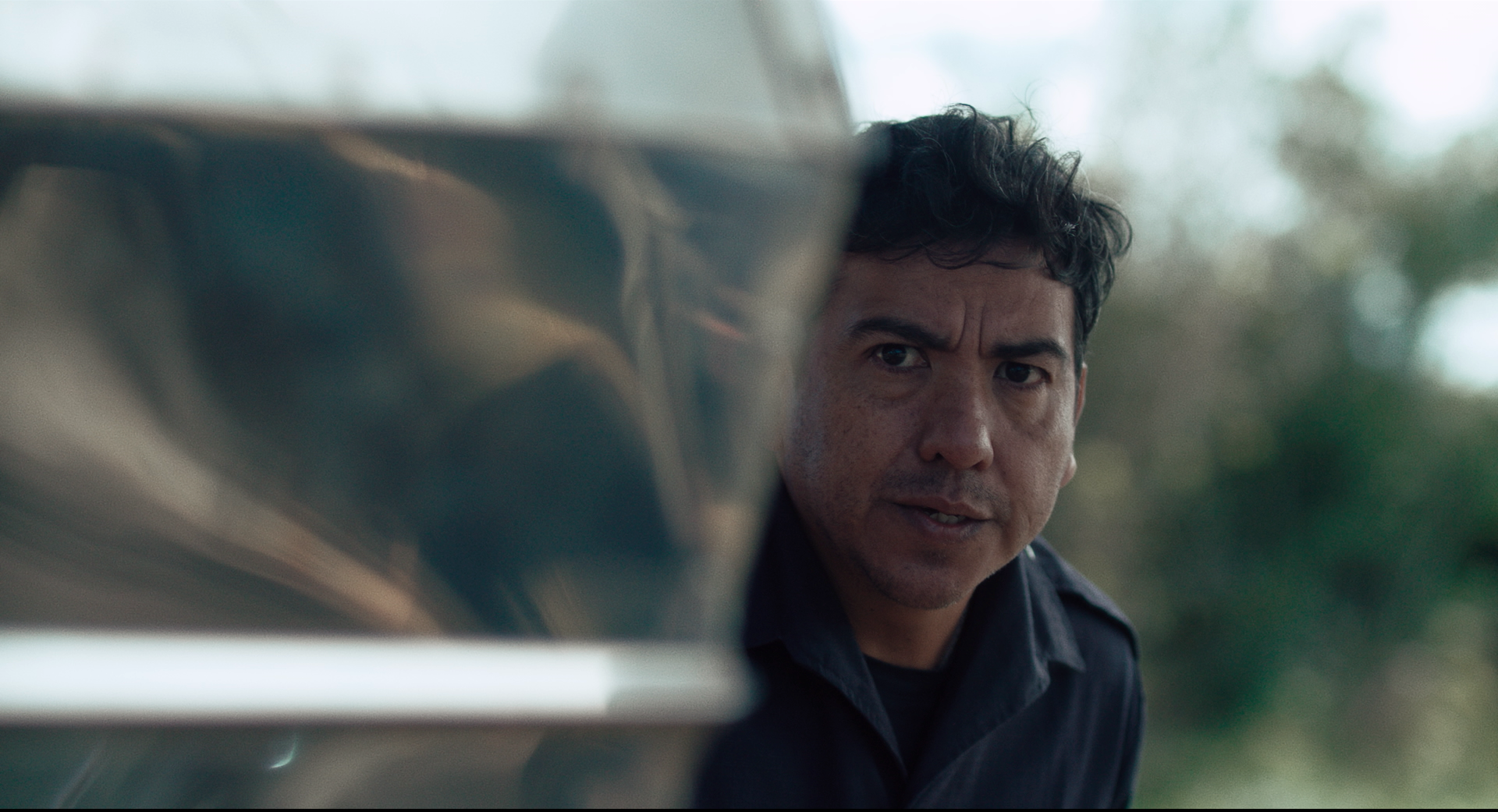
Mickey, the acclaimed feature documentary by award-winning trans Mexican filmmaker Dano García, had its New York premiere at the 38th NewFest: The New York LGBTQ+ Film Festival (October 15–25). Following its world premiere at the 2026 SXSW Film Festival, where it won the Global Audience Award, the film has continued an extensive international festival run.
Filmed over ten years, Mickey centers on Mickey Cundapí (she/her), the multidisciplinary trans artist known as Mis$ Mickey, and her longstanding friendship with García. The two first met at age 14 as students at a Catholic school in Mazatlán, Sinaloa. Through archival footage, artistic reenactments, digital avatars, and intimate conversations, the film revisits their shared history while exploring how memory can be reclaimed to imagine new ways of inhabiting the present.
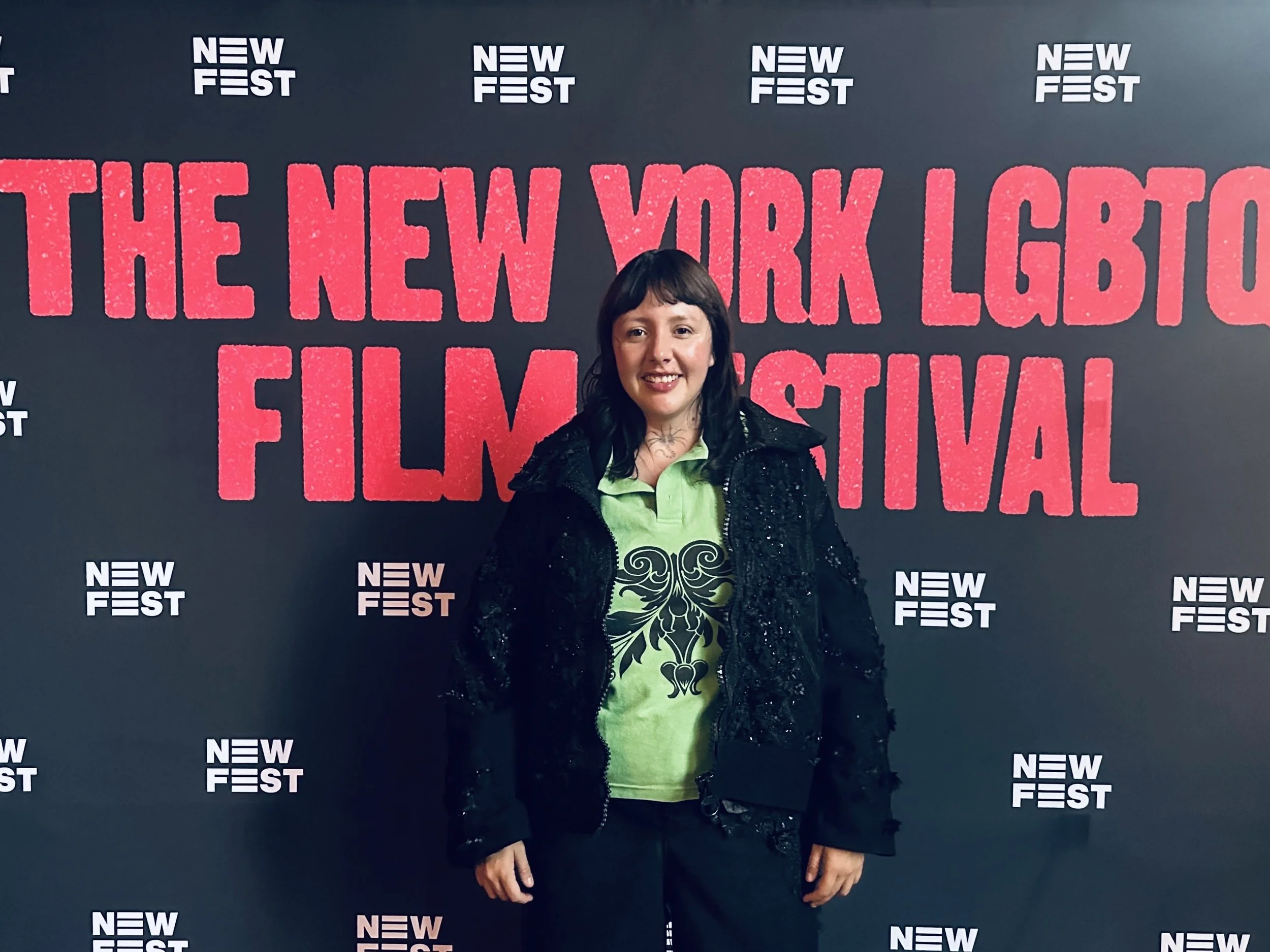
Much like the film itself, my conversation with García unfolded in fragments. We first spoke before the screening at Nitehawk Cinema, ahead of official festival photographs. Afterward, a post-screening Q&A moderated by NewFest programmer Anton Astudillo opened up the central questions of the evening around representation, archival agency, and the possibilities of trans cinema.
Guided by Astudillo’s moderation, memory emerged as a primary focus—not as a static record of what happened, but as something that can be revisited, challenged, and transformed. Through reenactments, archival material, and play, Mickey creates room for subjects to return to difficult experiences without remaining confined to the meanings those experiences once held.
The evening concluded with a collective ¡Viva el cine trans!—an affirmation of the film's commitment to expanding not only who appears on screen, but who gets to shape cinema's formal language. The conversation that follows moves between these distinct moments, reflecting a work that resists linearity and easy categorization.
Mickey by Dano García
Since its world premiere at SXSW, Mickey has reached audiences across different festival circuits. How has it felt to see people embrace a film that takes such an unconventional approach?
It was subversive to bring a film like this to such an important festival and see audiences embrace it so warmly. The film is quite alternative in its approach, so it was beautiful and hopeful to discover that these new ways of telling stories—ones that don't fit the traditional documentary mold, or even the conventions of experimental cinema—could connect with so many people.
We made it in a very independent, almost homegrown way, with the intention of showing what trans cinema can be and what it means to make films from our own perspectives. Through cinema, we can exercise agency and create the possibility of changing things.
How did the project begin, and how did it evolve into a feature made over ten years?
Mickey began recording herself when she was around eleven. When I met her, she was already experimenting with makeup and cat ears, and her performances were disruptive in the context of the Catholic school we attended in Sinaloa. For me, meeting her was extraordinary. I didn't have many clear references for what I was seeing, and she was already finding ways to express herself.
Years later, when we were living together in Mexico City, we started playing with the material she had accumulated. I made a short film, and the project gradually grew into something much bigger. At first, we had no funding. We began recording conversations about the film with a webcam, talking about what it could become. Those conversations eventually became one of the film's central elements.
The project developed over ten years. As it grew, we received support that allowed us to expand its possibilities, including the reenactments and other fictional elements. We were bringing together different languages that already existed in our lives, from social media and online identities to video games and cinema.
How did Mickey's presence shape the film's form?
I think each film has its own rhythm and its own search. I connect strongly with dreams, and that often leads me toward forms of storytelling that aren't conventional or linear.
With Mickey, the form responds to Mickey's freedom. She is free, diverse, joyful, and full of life. The film had to find a way of being as free as she is. That freedom became contagious: it shaped not only my own process, but also the experience of everyone involved in making the film.
Ultimately, I think this is a film made with a great deal of love. It grew out of a friendship and a shared desire to imagine what cinema could be.
There are several mirrors and projections throughout Mickey. The film opens with a projection onto the body, and later there's a projection inside the cave. How did you think about the relationship between looking, projection, and self-recognition?
Cinema was born, in a sense, as a mirror of the colonizer—a way of seeing and representing the world through a colonial gaze. The obsidian mirror offers a different possibility: instead of simply reflecting an image outward, it invites us to look inward.
I think it was through Mickey that I was able to tell this story. Mickey's diary was important in allowing us to access different parts of her life. Through writing, she confronted her past and her shadows. I accompanied her through that process, and the film emerged from being alongside her as she revisited those experiences.
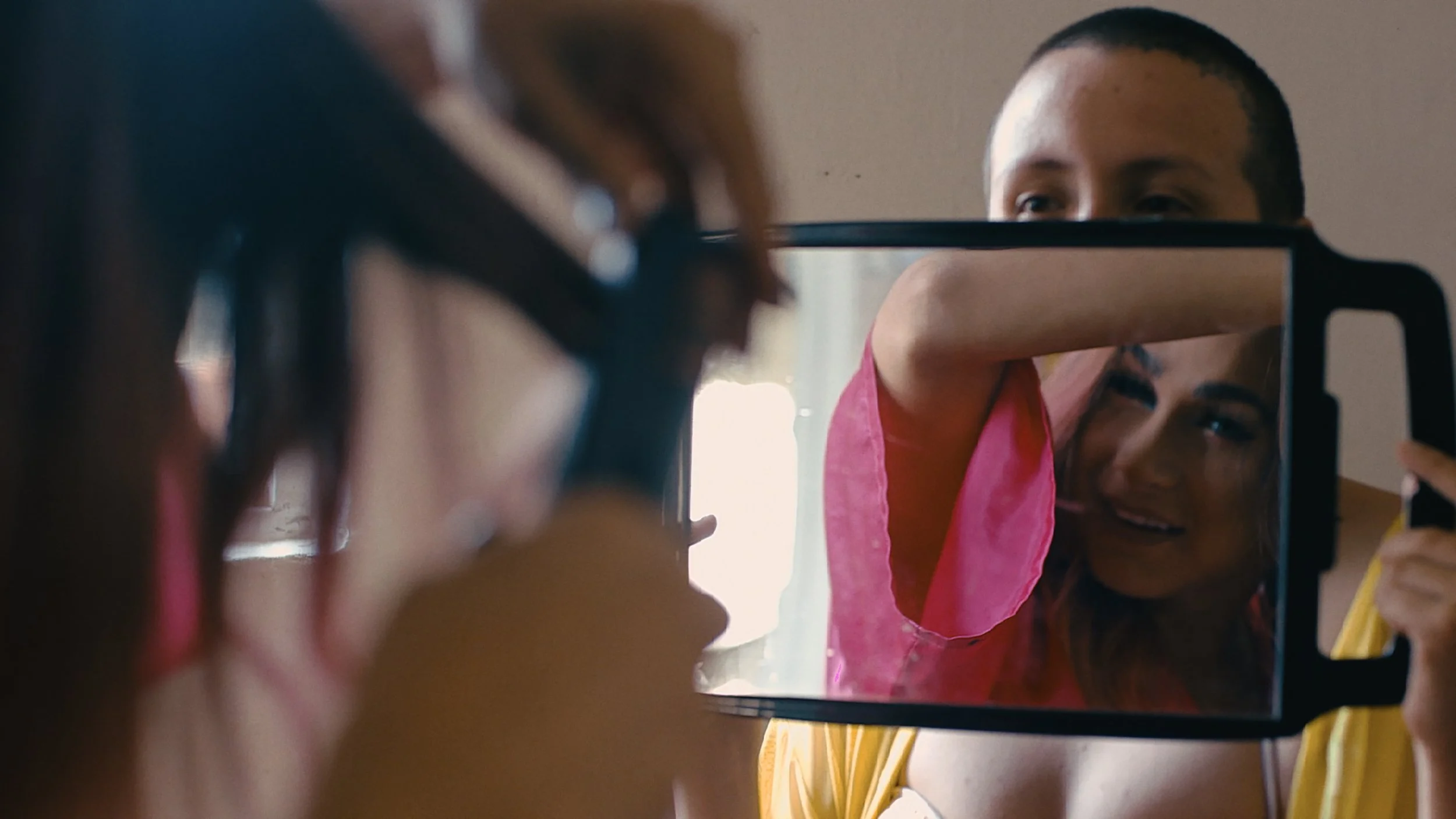
Mickey by Dano García
Did the film's structure emerge as you were editing, or were these connections already part of the project from the beginning?
We were editing and filming at the same time, so the process remained very alive. I would be working on the edit and then call Mickey to ask her to send me new videos. She would send them, and I would incorporate them into the film. The film kept evolving as we worked on it.
The film brings together archival footage, digital avatars, online culture, and reenactments. How did you develop this visual language?
I think it matters enormously where a film comes from, who is telling the story, and from what position it is being made. Mickey is trans cinema, made by trans and nonbinary people. It doesn't come from a hegemonic gaze, and it doesn't follow the linear narrative we've traditionally been taught to expect from documentary filmmaking.
The film is free in its form. It moves through dreams, desires, and different ways of searching for identity. Trans experiences are often represented as a linear journey, as though you move from one point to another and eventually arrive at a definitive version of yourself. But that reduces the experience. Being trans is also about desires, dreams, and other possibilities of becoming.
I think it's beautiful that the film resists categorization. That resistance is connected to the trans experience itself: people constantly try to put us into categories, but we don't necessarily fit within them.
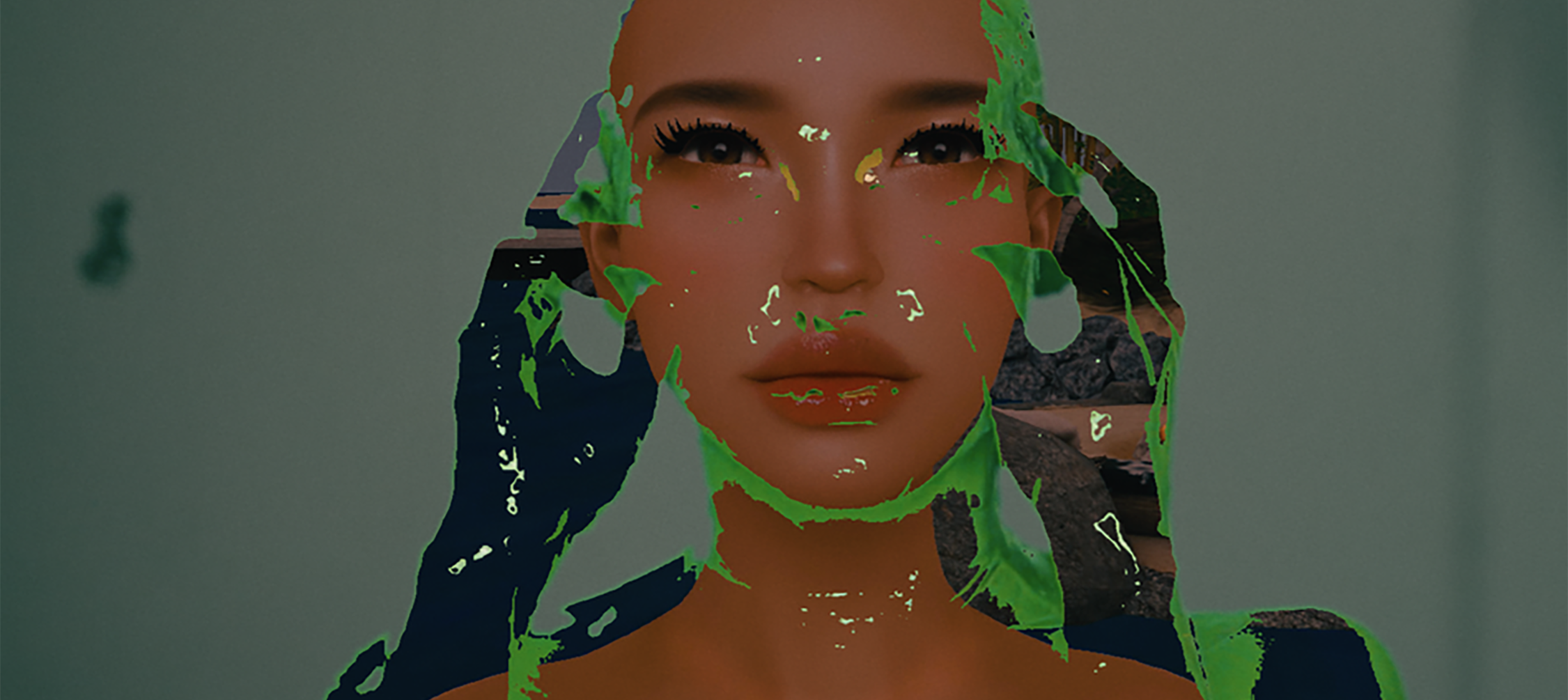
There's an avatar that guides the film and takes us through Mickey's memories. We wanted to approach the past through the logic of a video game, using the avatar to revisit different moments in her life. Images that might seem insignificant—videos casually recorded on a phone, for example—acquire a different weight. They become gestures that help build a much larger story.
The digital world is also important because we construct parts of our identities online. We wanted to bring those forms of self-representation into conversation with fiction and cinematic language. The glitch can also become a way of disrupting forms, breaking them apart, or transforming them.
This interview has been translated from Spanish and edited for length and clarity.