This year, an impressive 17 Latin American countries are in the running for Best International Feature Film at the 99th Academy Awards, underscoring the region's strong presence in the Oscar race. Argentina, Brazil, Chile, and Mexico—all previous winners in the category—return with new submissions, while El Salvador makes history with its first-ever entry.
Across its history, Latin America has claimed the Academy Award for Best International Feature five times: Argentina with The Official Story / La historia oficial by Luis Puenzo in 1986 and The Secret in Their Eyes / El secreto de sus ojosby Juan José Campanella in 2010; Brazil with Walter Salles’s I’m Still Here / Ainda Estou Aqui in 2026; Chile with Sebastián Lelio’s A Fantastic Woman / Una mujer fantástica in 2018; and Mexico with Alfonso Cuarón’s Roma in 2019.
The path to the Oscars continues on December 15, when the Academy unveils its shortlist of 15 films, followed by the final nominations on January 21, 2027. The winners will be announced during the March 14, 2027 telecast.
You can also explore the complete selection on Cinema Tropical’s Letterboxd list, where you can keep track of the films you’ve seen and discover the ones still to watch. Follow Cinema Tropical on Letterboxd for more Latin American cinema recommendations and lists.
Here are this year’s Latin American contenders:

ARGENTINA: THE VIRGIN OF THE QUARRY LAKE / LA VIRGEN DE LA TOSQUERA
Set during Argentina’s turbulent summer of 2001, Laura Casabé’s supernatural coming-of-age drama The Virgin of the Quarry Lake / La virgen de la tosquera follows Natalia, a teenager desperately in love with her childhood friend Diego. When an older, more experienced girl captures his attention, Natalia turns to her grandmother and begins experimenting with dark incantations and curses.
Based on two short stories by Mariana Enríquez and written by Benjamín Naishtat, the Argentina-Mexico-Spain co-production premiered in Sundance’s World Cinema Dramatic Competition. Dolores Oliverio stars alongside Fernanda Echevarría, Luisa Merelas, Isabel Bracamonte, Candela Flores, and Agustín Sosa. Argentina remains Latin America’s most successful country in the category, with wins for The Official Story / La historia oficial in 1986 and The Secret in Their Eyes / El secreto de sus ojos in 2010.
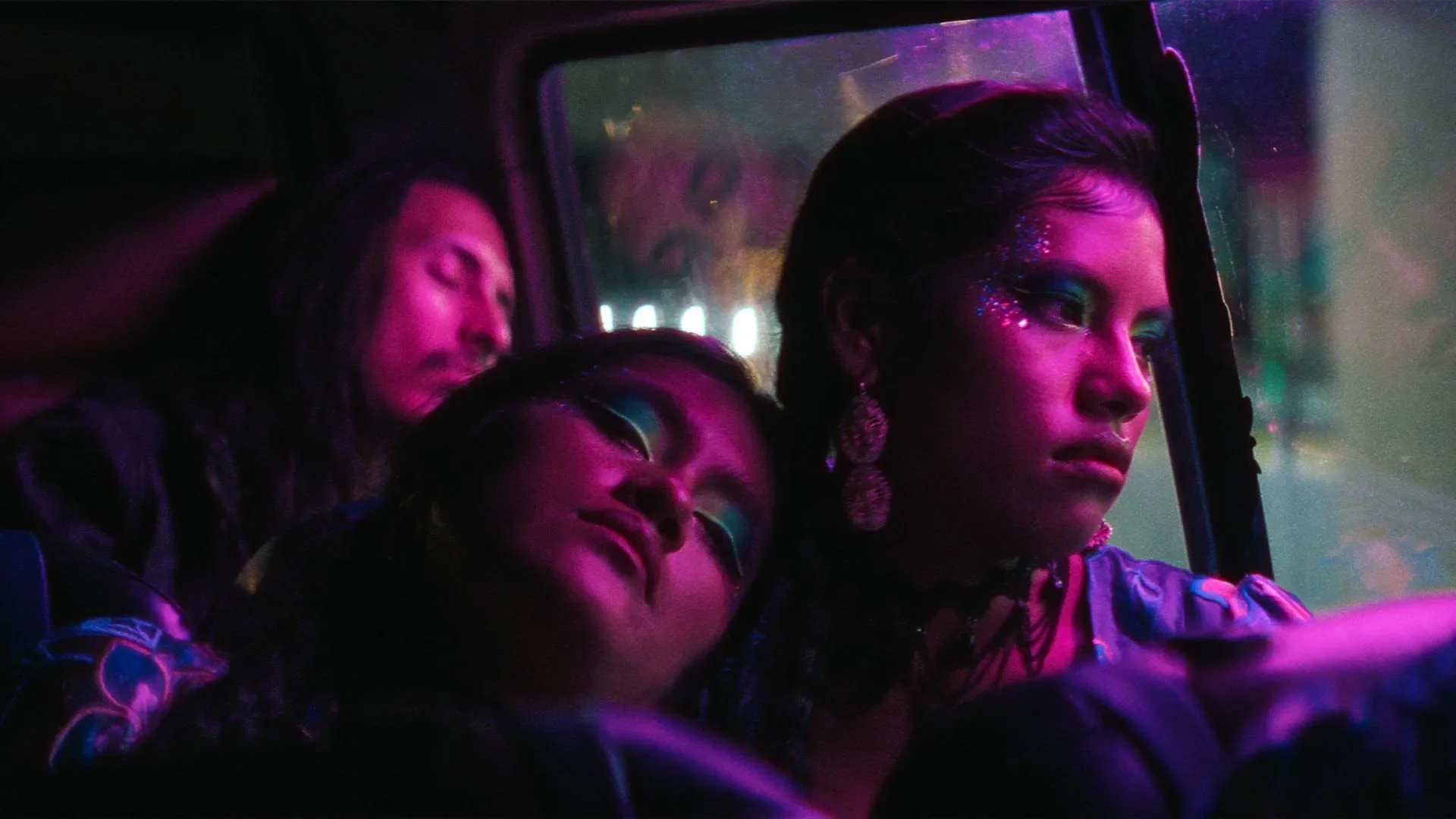
BOLIVIA: THE CONDOR DAUGHTER / LA HIJA CÓNDOR
High in the Bolivian Andes, Clara has inherited the Quechua songs that her adoptive mother, a traditional midwife, uses to guide women through childbirth. Yet she dreams of leaving the mountains to become a folkloric music star in the city in Álvaro Olmos Torrico’s The Condor Daughter / La hija cóndor.
The Bolivia-Peru-Uruguay co-production stars María Magdalena Sanizo, Marisol Vallejos Montaño, and Nelly Huayta. It had its world premiere in the Centrepiece section of the 2025 Toronto International Film Festival and has since won honors at Málaga and Guadalajara. With The Condor Daughter / La hija cóndor, Bolivia continues its search for a first Oscar nomination. The country has submitted films to the International Feature category since 1995 but has yet to reach the final five.
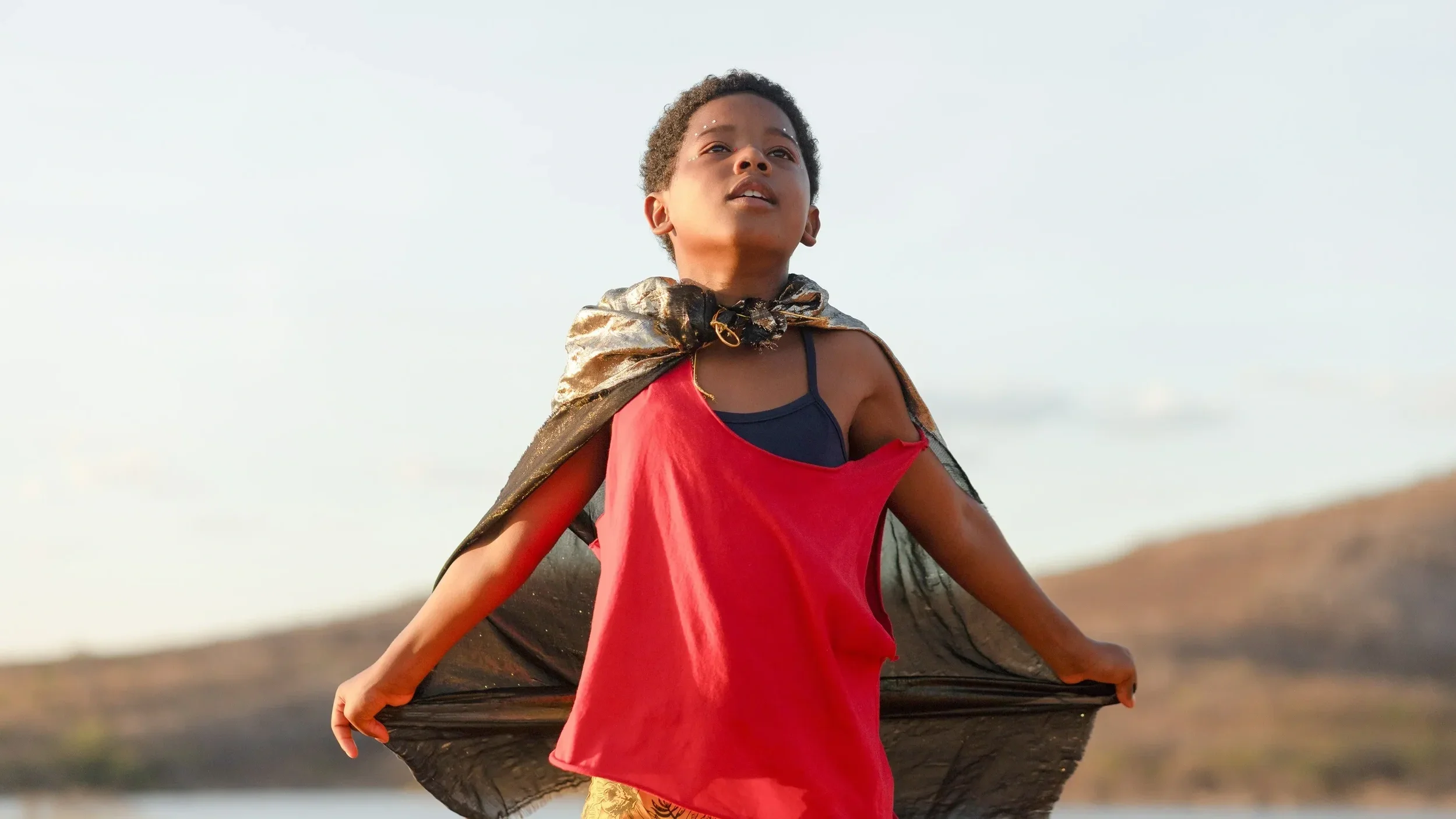
BRAZIL: GUGU’S WORLD / FEITO PIPA
Soccer, dance, and a fiercely loving grandmother define the world of Gugu, the 12-year-old protagonist of Allan Deberton’s Gugu’s World / Feito Pipa. When Dilma’s health begins to decline, Gugu faces the prospect of leaving the home that has protected him and living with his estranged father.
Set in Ceará and drawing on the childhood memories of Deberton and co-screenwriter André Araújo, the film stars Yuri Gomes, Teca Pereira, and Lázaro Ramos. It premiered in the Berlinale’s Generation Kplus section, where it won both the Crystal Bear for Best Film and the Grand Prix of the International Jury. Brazil enters the race in the wake of a historic run: Walter Salles’s I’m Still Here / Ainda Estou Aqui became the country’s first winner in the category, followed by Kleber Mendonça Filho’s The Secret Agent / O Agente Secreto, which earned four Oscar nominations.
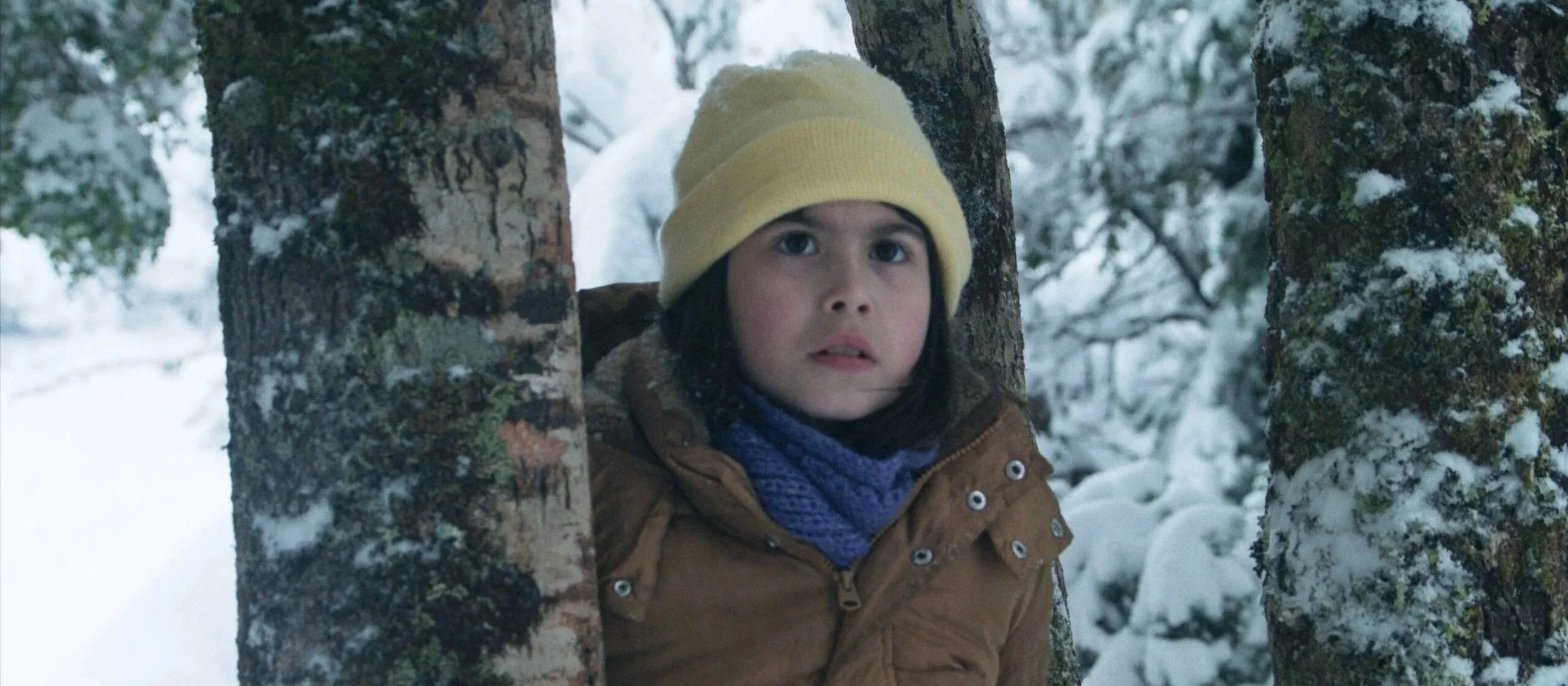
CHILE: THE MELTDOWN / EL DESHIELO
A disappearance at an Andean ski resort unsettles the world of nine-year-old Inés in Manuela Martelli’s The Meltdown / El deshielo. Set in 1992, during Chile’s transition to democracy, the film follows Inés as she stays at her grandparents’ remote hotel and befriends Hanna, a 15-year-old German skier. When Hanna vanishes, the search exposes truths hidden in the adult world around her.
Martelli’s second feature premiered in Cannes’ Un Certain Regard section. The Chile-U.S.-Spain-Mexico co-production stars Maya O’Rourke, Saskia Rosendahl, Maia Domagala, and Paulina Urrutia. Chile has received two nominations in the category: Pablo Larraín’s No in 2013 and Sebastián Lelio’s A Fantastic Woman / Una mujer fantástica, which became the country’s first winner in 2018.
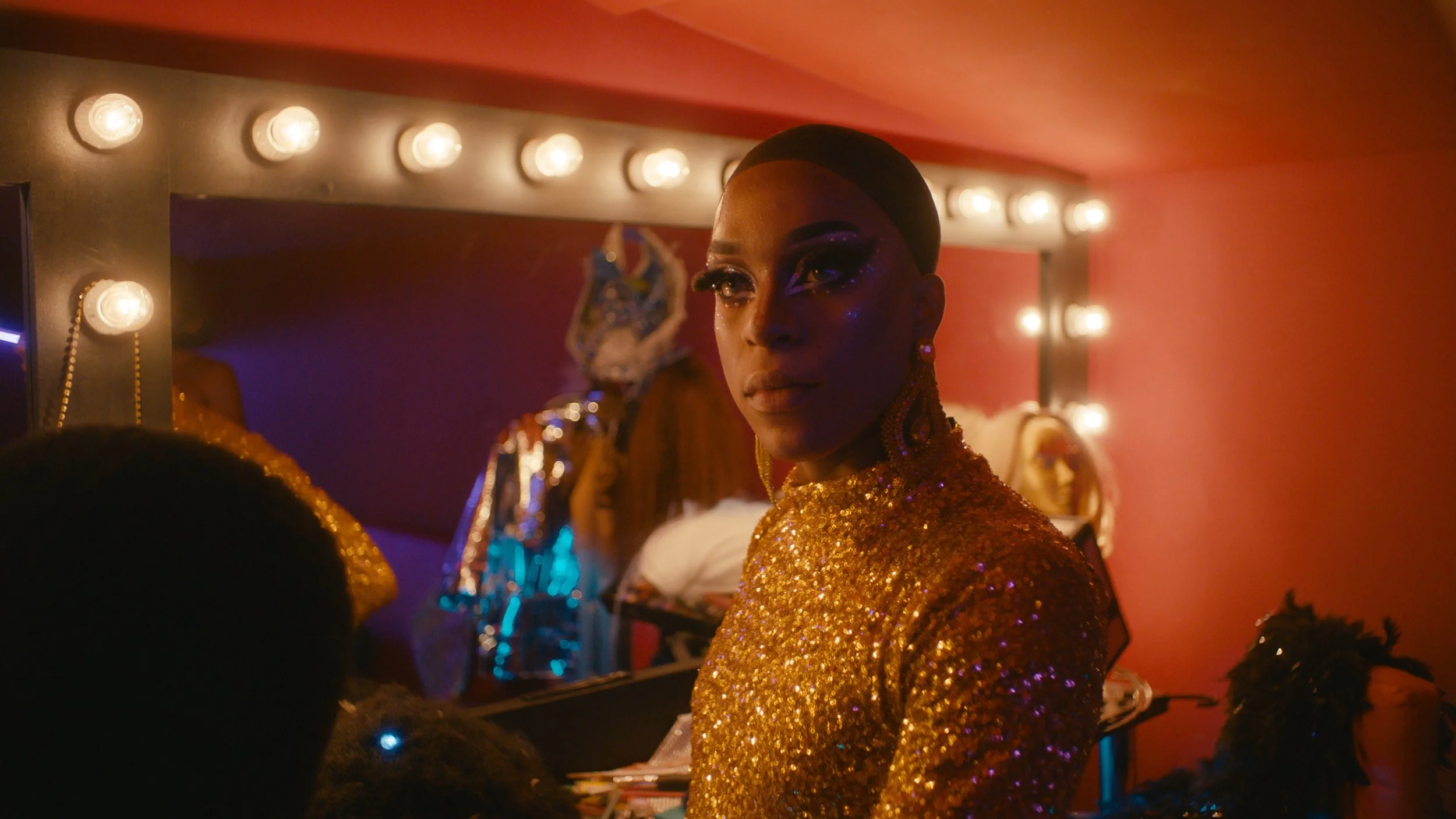
COLOMBIA: RAINS OVER BABEL / LLUEVE SOBRE BABEL
In a queer tropical-punk universe, a legendary dive bar called Babel doubles as purgatory. There, La Flaca—the city’s Grim Reaper—invites souls to gamble years of their lives in a desperate attempt to outwit death in Gala del Sol’s Rains Over Babel / Llueve sobre Babel.
The debut feature is a retro-futuristic twist on Dante’s Inferno, following a group of misfits over one eventful night. It premiered in Sundance’s NEXT competition before traveling to Rotterdam’s Bright Future section. Saray Rebolledo, Felipe Aguilar Rodríguez, John Alex Castillo, William Hurtado, Santiago Pineda, and Celina Biurrun star.
Colombia has received one Oscar nomination to date, for Ciro Guerra’s Embrace of the Serpent / El abrazo de la serpiente in 2016. Rains Over Babel / Llueve sobre Babel follows Simón Mesa Soto’s A Poet / Un poeta as the country’s submission.
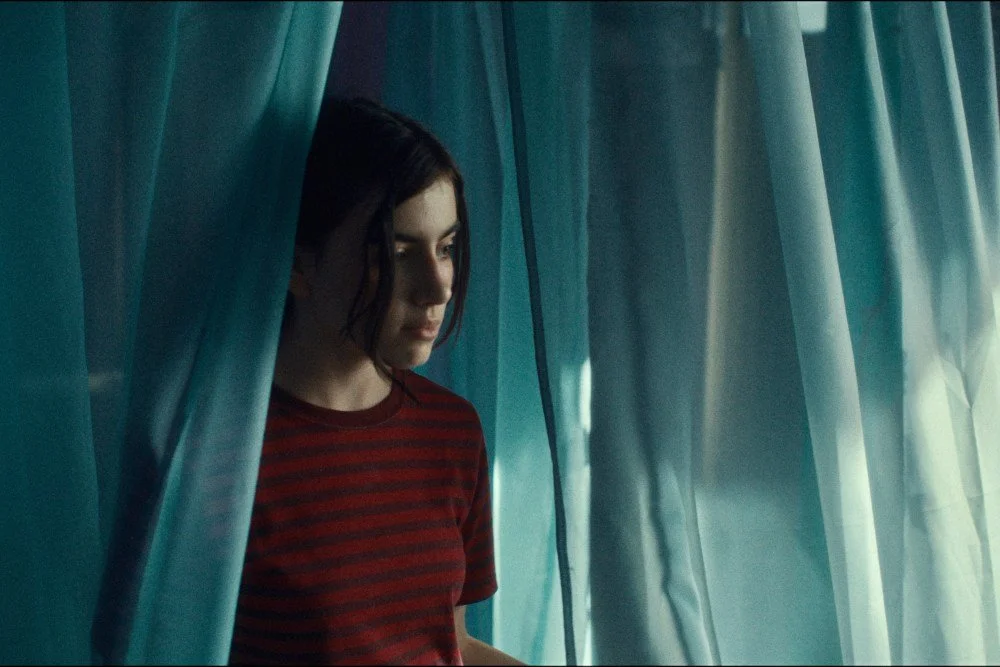
COSTA RICA: IF WE DON’T BURN, HOW DO WE LIGHT UP THE NIGHT / SI NO ARDEMOS, CÓMO ILUMINAR LA NOCHE
Amid forests and palm plantations in rural Costa Rica, 13-year-old Laura struggles to find her place in a newly formed family. Her fragile new stability is disrupted when she discovers a secret that threatens the women she loves in Kim Torres’s If We Don’t Burn, How Do We Light Up the Night / Si no ardemos, cómo iluminar la noche.
Moving between coming-of-age drama, fable, and social allegory, the film examines childhood innocence against the threat of gender-based violence. The Costa Rica-Mexico-France co-production premiered in San Sebastián’s New Directors competition and later won Best Feature Film in Cartagena’s Ibero-American Competition.
The film is Torres’s feature debut, following her short Night Light / Luz nocturna, which competed for the Palme d’Or in Cannes—the first Costa Rican film to do so.
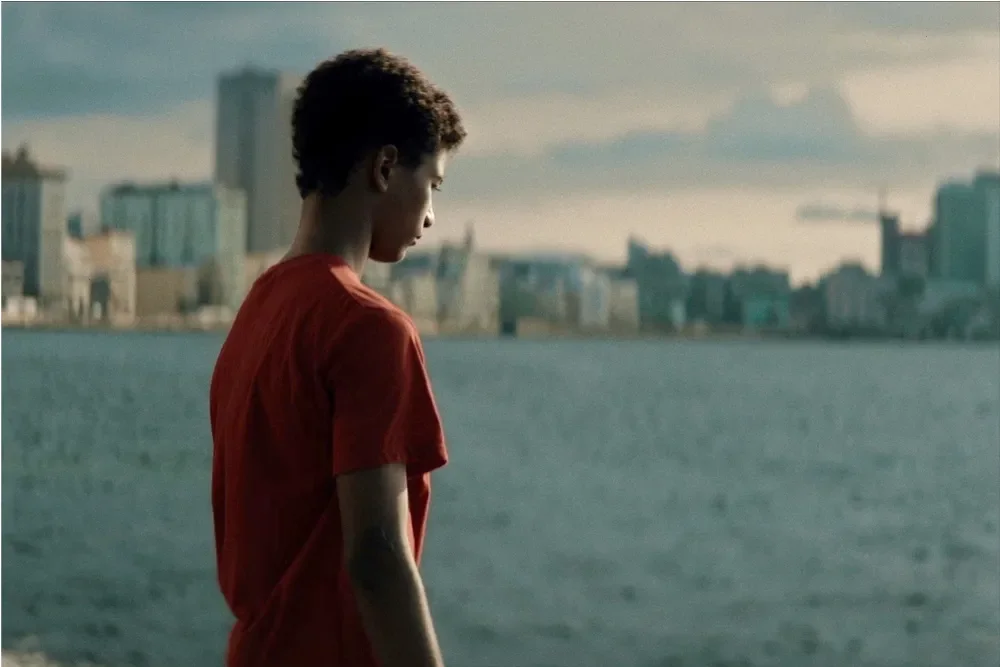
CUBA: MALECÓN
After ten years in prison, Elvis returns to a Havana transformed by his absence. In Carlos Larrazabal’s Malecón, he reconnects with childhood friends, becomes entangled in the city’s underground economy, and must weigh an uncertain future abroad against loyalty to the people and place he calls home.
The Cuban-Spanish-U.S. co-production premiered at the Miami Film Festival and later served as the Closing Night selection of the Havana Film Festival New York. César Domínguez stars alongside Camila Rodhe and Omar Rolando in Larrazabal’s debut feature.
Cuba has earned one nomination in the category, for Tomás Gutiérrez Alea and Juan Carlos Tabío’s landmark Strawberry and Chocolate / Fresa y chocolate. Malecón marks the country’s return to the Oscar race.

DOMINICAN REPUBLIC: MELODRAMA
Sonia, a recently widowed Dominican woman, is forced to sell the home where she has spent much of her life and move into a small apartment overlooking the Caribbean Sea in Andrés Farías’s Melodrama. As she navigates grief and the upheaval of starting over, she meets Aimé, a Haitian construction worker employed at a neighboring building.
An unexpected romance develops between them, challenging social, racial, and class prejudices against the backdrop of the fraught relationship between the Dominican Republic and Haiti. Mercedes Morales stars alongside Jimmy Jean-Louis, Sarah Jorge León, Cyndie Lundy, Pachy Méndez, and Adriana Zayas.
The Dominican Republic became the first Latin American country to announce its entry for the 99th Academy Awards with Melodrama. Farías’s second feature after Candela was also a major winner at the 2026 Dominican Film Festival in New York, taking Best Film, Best Director for Farías, and Best Actress for Morales.
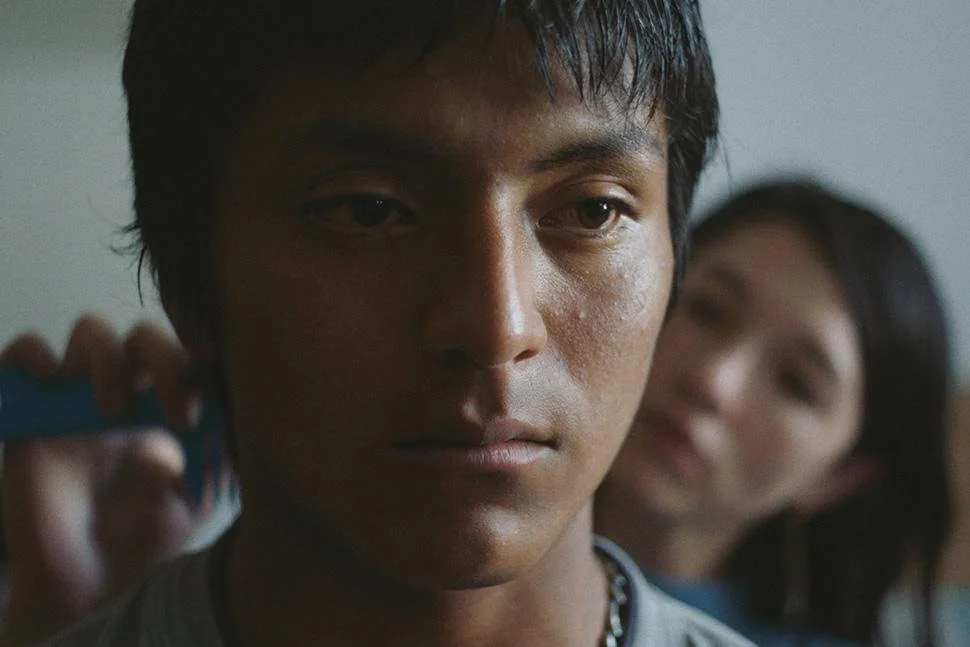
ECUADOR: THE IVY / HIEDRA
Azucena, a woman in her thirties, watches the teenagers who live in a group home, seeking in their games and sense of brotherhood fragments of a past marked by trauma. Her attention settles on Julio, a 17-year-old resident, and an uneasy intimacy develops between them in Ana Cristina Barragán’s The Ivy / Hiedra.
Barragán’s third feature premiered in Venice’s Orizzonti competition, where it won Best Screenplay, and later received a Special Mention in San Sebastián’s Horizontes Latinos section. Simone Bucio and Francis Eddú Llumiquinga star.
The film marks Barragán’s second Oscar submission after her debut, Alba, and continues a landmark run for the director, whose Venice prize was a historic achievement for Ecuadorian cinema.
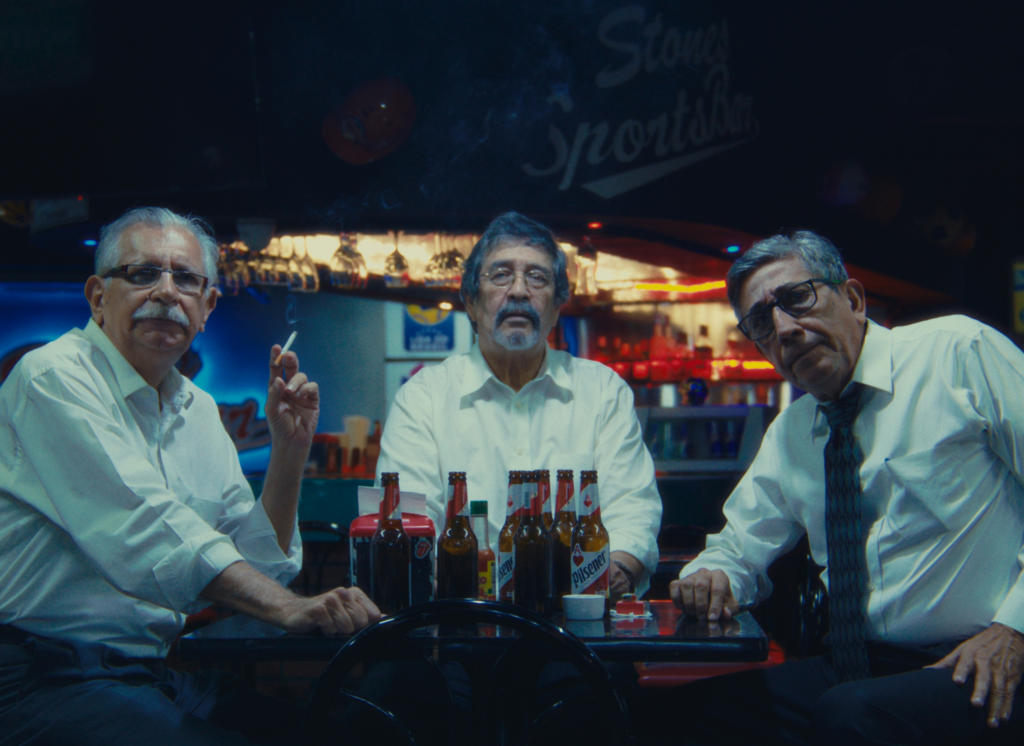
EL SALVADOR: VÉRTICES
Three old friends reunite at the funeral of a mutual friend after nearly three decades apart in Arturo López Rodas’s Vértices. What begins as a simple coffee to catch up becomes an intimate meditation on friendship, loss, the passage of time, and mortality.
Written and directed by López Rodas, the 60-minute drama stars Francisco Martínez, Francisco Graniello, and Ángel Flamenco. The filmmaker’s debut feature previously won Best Screenplay at the 2025 Ícaro International Film Festival.
Vértices marks El Salvador’s first official entry in the Best International Feature Film race, giving the country its inaugural place in the category’s history.
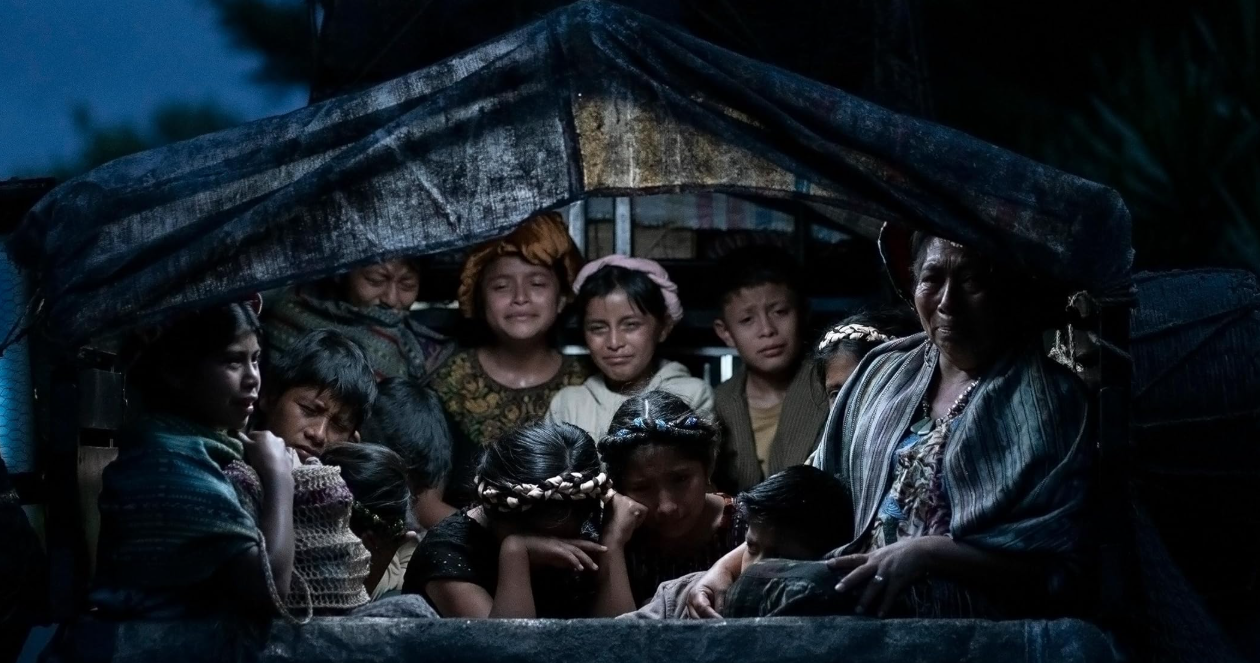
GUATEMALA: MOUNTAINS OF FIRE / CORDILLERA DE FUEGO
The emergence of a new volcano in Guatemala reveals competing economic interests and the vulnerability of Indigenous communities living in its path in Jayro Bustamante’s Mountains of Fire / Cordillera de fuego. Paula, a volcanologist, confronts government corruption and institutional neglect as she attempts to evacuate those in danger.
Blending drama, action, and conspiracy-thriller elements, the film draws in part on the devastating 2018 eruption of Guatemala’s Volcán de Fuego. María Mercedes Coroy, Tatiana Palomo, María Telón, Juan Pablo Olyslager, Enrique Salanic, and Glendy Rucal star.
This is Bustamante’s fourth Oscar submission for Guatemala. His La Llorona became the first Guatemalan film to reach the 15-title shortlist for Best International Feature.
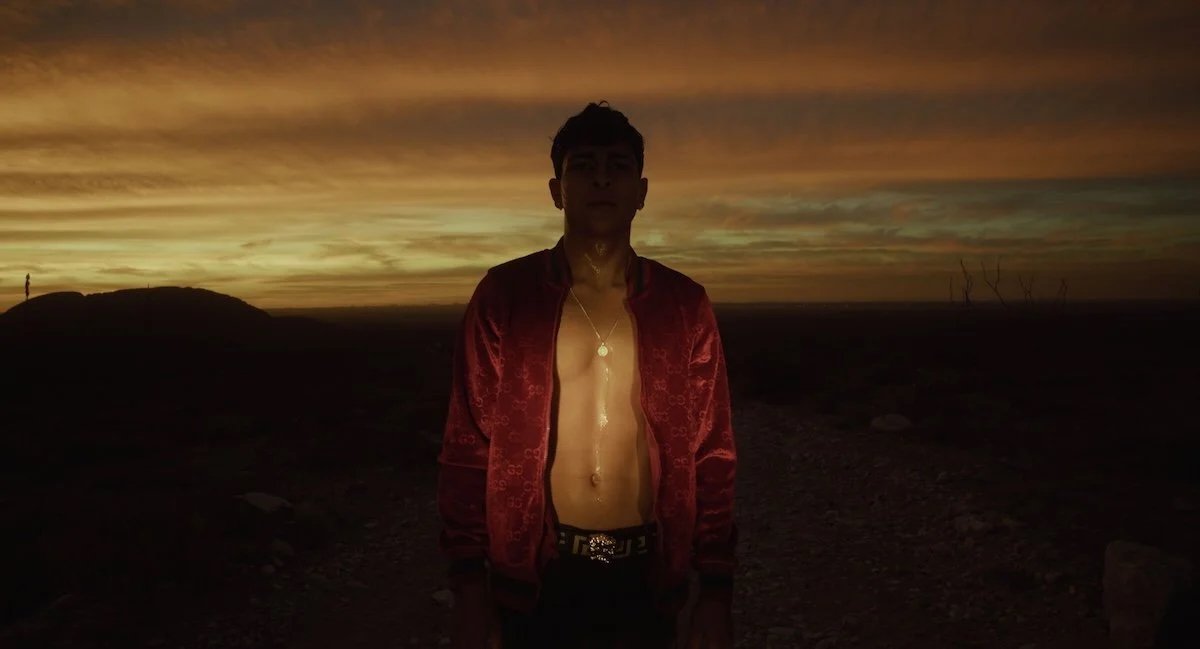
MEXICO: ON THE ROAD / EN EL CAMINO
On the desolate highways of northern Mexico, Veneno, a young drifter, persuades Muñeco, a solitary trucker, to give him a ride. As the two travel through the hyper-masculine world of long-haul trucking, loneliness and desire give way to an unexpected intimacy—until shadows from Veneno’s past threaten both men.
Written and directed by David Pablos, On the Road / En el camino blends road movie, romance, and thriller. It premiered in Venice’s Orizzonti competition, winning Best Film and the Queer Lion Award. Víctor Miguel Prieto and Osvaldo Sánchez star.
Mexico has earned nine nominations in the category since Macario became its first nominee in 1961. Alfonso Cuarón’s Roma remains the country’s first winner.

PANAMA: CHICHERO
Josué, a young Quechua man, flees Peru’s internal armed conflict in the 1980s and arrives in Panama pursuing a better future. Selling chicha and empanadas on the street while holding onto his dream of becoming a boxing champion, he meets Gaby, a woman confronting struggles of her own, in Chichero.
Directed by Arturo Montenegro and Aarón Bromley, the drama is a story of migration, love, and resilience. Júnior Béjar Roca stars alongside Andrea Pérez Meana, Mafe Achurra, Gaby Gnazzo, Diego de Obaldía, Domil Leira, Elmis Castillo, and Mayra Hurley.
Panama has yet to receive a nomination, though Abner Benaim’s Plaza Catedral became the country’s first film to reach the 15-title shortlist in 2022. Chichero is Montenegro’s third Oscar submission for Panama and Bromley’s first.

PARAGUAY: NARCISO
In 1959 Paraguay, under Alfredo Stroessner’s dictatorship, a charismatic young man returns from Buenos Aires with rock & roll in his veins. He becomes a radio sensation and an improbable symbol of freedom—until he is found dead after his final show—in Marcelo Martinessi’s Narciso.
The noir-inflected drama premiered in the Panorama section of the Berlinale, where it won the FIPRESCI Prize. Diro Romero stars alongside Manuel Cuenca, Margarita Irún, Arturo Fleitas, Mona Martínez, and Nahuel Pérez Biscayart.
Narciso is Martinessi’s return to feature filmmaking after The Heiresses / Las herederas, which won two Silver Bears in Berlin and represented Paraguay at the 91st Academy Awards.
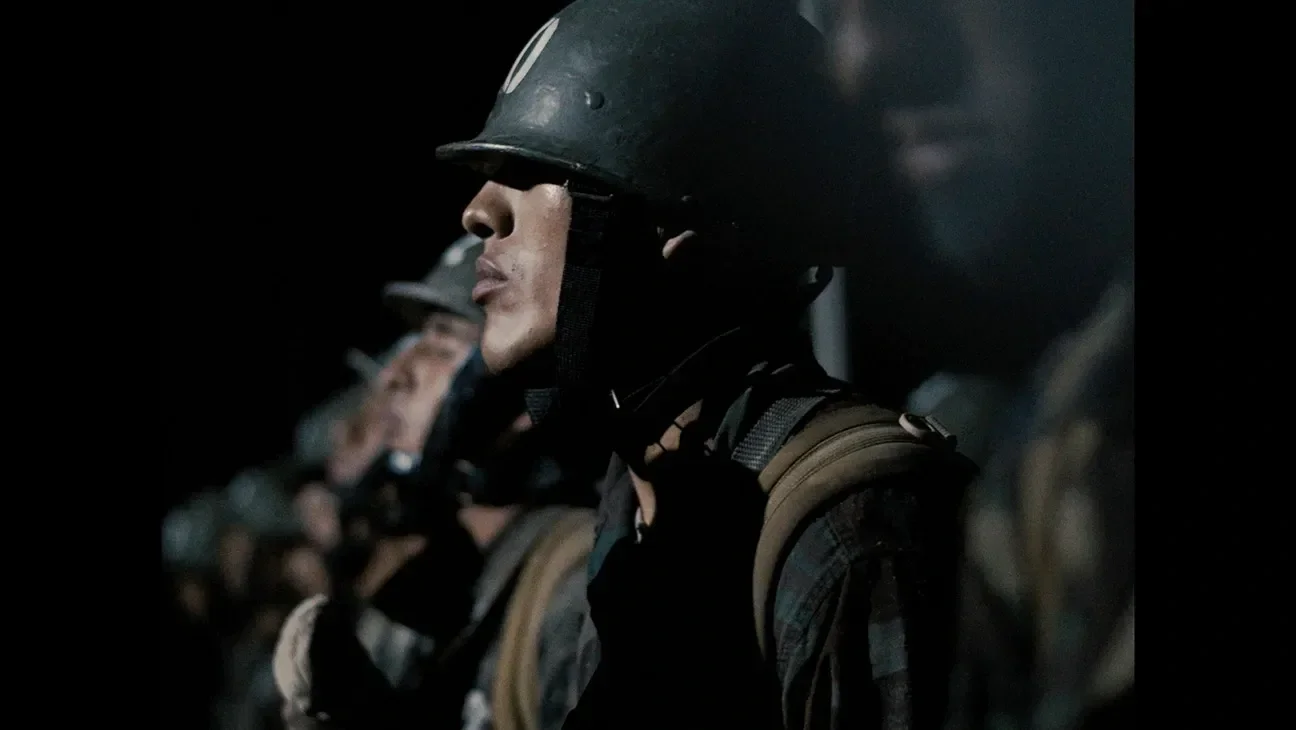
PERU: NIGHT HAS COME / VINO LA NOCHE
A group of young men voluntarily enters one of the Peruvian Armed Forces’ most demanding training programs, hoping to become elite soldiers. As they prepare for eventual deployment to the VRAEM, a region shaped by coca cultivation, drug trafficking, and armed conflict, Paolo Tizón’s Night Has Come / Vino la noche observes a world of severe discipline, brutality, vulnerability, and care.
Tizón’s debut feature had its world premiere in Karlovy Vary’s Proxima Competition, where it won the Special Jury Prize and the FIPRESCI Award. The documentary offers an intimate portrait of masculinity, violence, camaraderie, and the fragile boundary between innocence and experience. Tizón was also the film’s writer, cinematographer, and co-editor.
Peru has received one nomination in the category, for Claudia Llosa’s The Milk of Sorrow / La teta asustada in 2010.
URUGUAY: A LOOSE END / UN CABO SUELTO
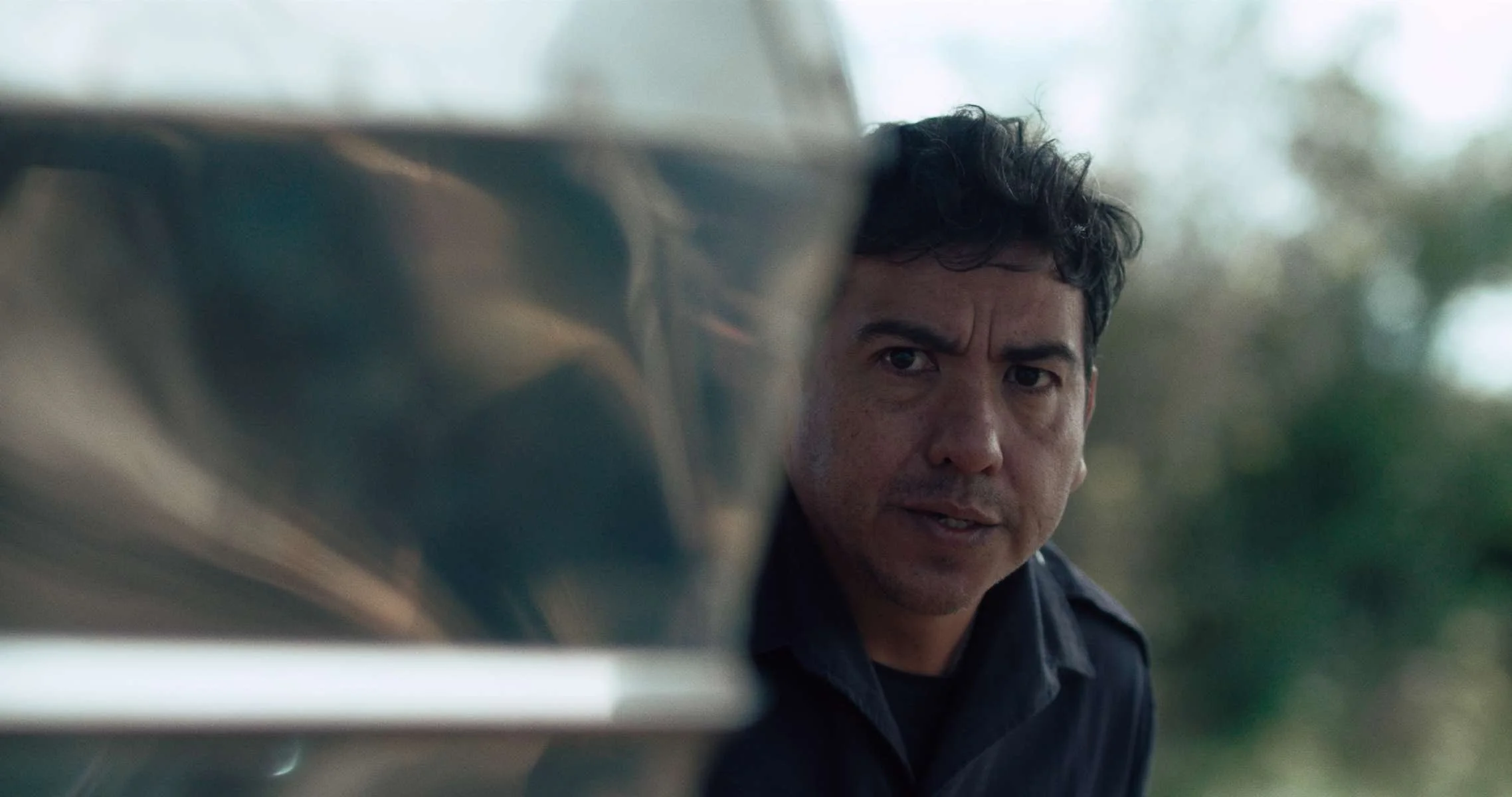
Santiago, an Argentine cop on the run, crosses into Uruguay to escape his own colleagues. There, he relies on quick wit and the unexpected kindness of strangers as he begins to build a life he never imagined in Daniel Hendler’s A Loose End / Un cabo suelto.
Blending comedy, thriller, western, and romance, the Uruguay-Argentina-Spain co-production premiered in Venice Spotlight and later received a Special Jury Mention in San Sebastián’s Horizontes Latinos competition. Sergio Prina stars alongside Pilar Gamboa and Alberto “Mandrake” Wolf.
Uruguay has yet to receive a nomination for Best International Feature Film. A Loose End / Un cabo suelto is the first Oscar submission selected by the country’s newly established Uruguayan Film Academy.
VENEZUELA: DEATH HAS NO MASTER / LA MUERTE NO TIENE DUEÑO
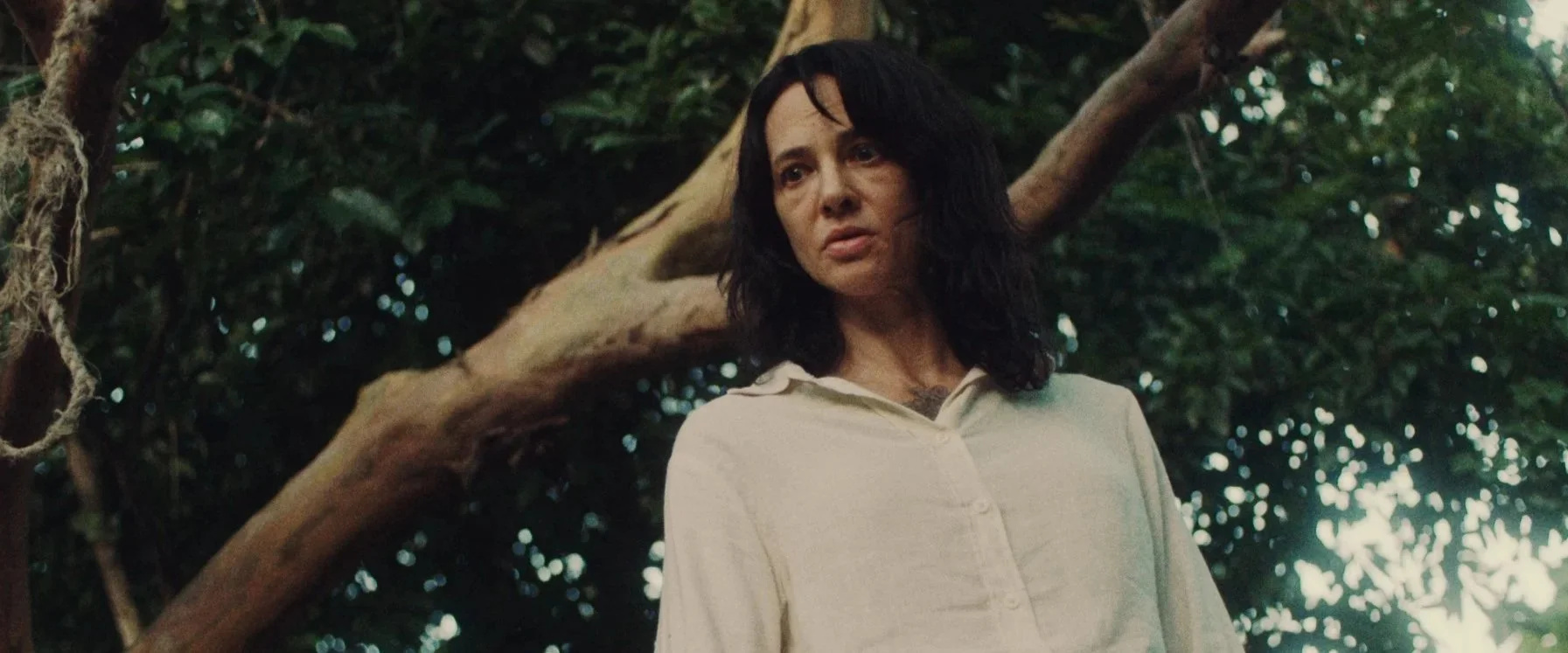
Caro returns to Venezuela after years abroad to sell the cacao plantation she inherits when her father dies. Instead, she finds the decaying family mansion occupied by former workers who refuse to leave. Her attempt to reclaim the property turns into a violent struggle that summons the land’s colonial history and buried memories in Jorge Thielen Armand’s Death Has No Master / La muerte no tiene dueño.
The atmospheric thriller had its world premiere in Directors’ Fortnight at Cannes before screening at Locarno and Fantastic Fest. Asia Argento stars with Dogreika Tovar, Yermain Sequera, Jorge Thielen Hedderich, Arturo Rodríguez, and Jericó Montilla.
Venezuela has yet to receive a nomination in the category, though Alberto Arvelo’s The Liberator / Libertador reached the nine-film shortlist in 2014.