Following an acclaimed run on the international festival circuit, How to Clean a House in 10 Easy Steps, (Cómo limpiar una casa en 10 pasos fáciles), the award-winning debut feature by Colombian filmmaker Carolina González Valencia, will have its long-awaited New York City Premiere at the 17th DOC NYC festival, running November 11-29, 2026.
Executive produced by Ai-jen Poo, President of the National Domestic Workers Alliance, alongside Academy Award-winning filmmaker Alfonso Cuarón, Ryan Gall, Juan Mejía Botero, and Amanda Branson Gill, the film arrives in New York following an acclaimed run on the international festival circuit. film arrives in New York after a successful festival journey that began with its world premiere earlier this year at the True/False Film Fest, where it received the 2026 True Life Award, followed by its West Coast premiere at the San Francisco International Film Festival (SFFILM), where it won the Kirby Walker Documentary Award.
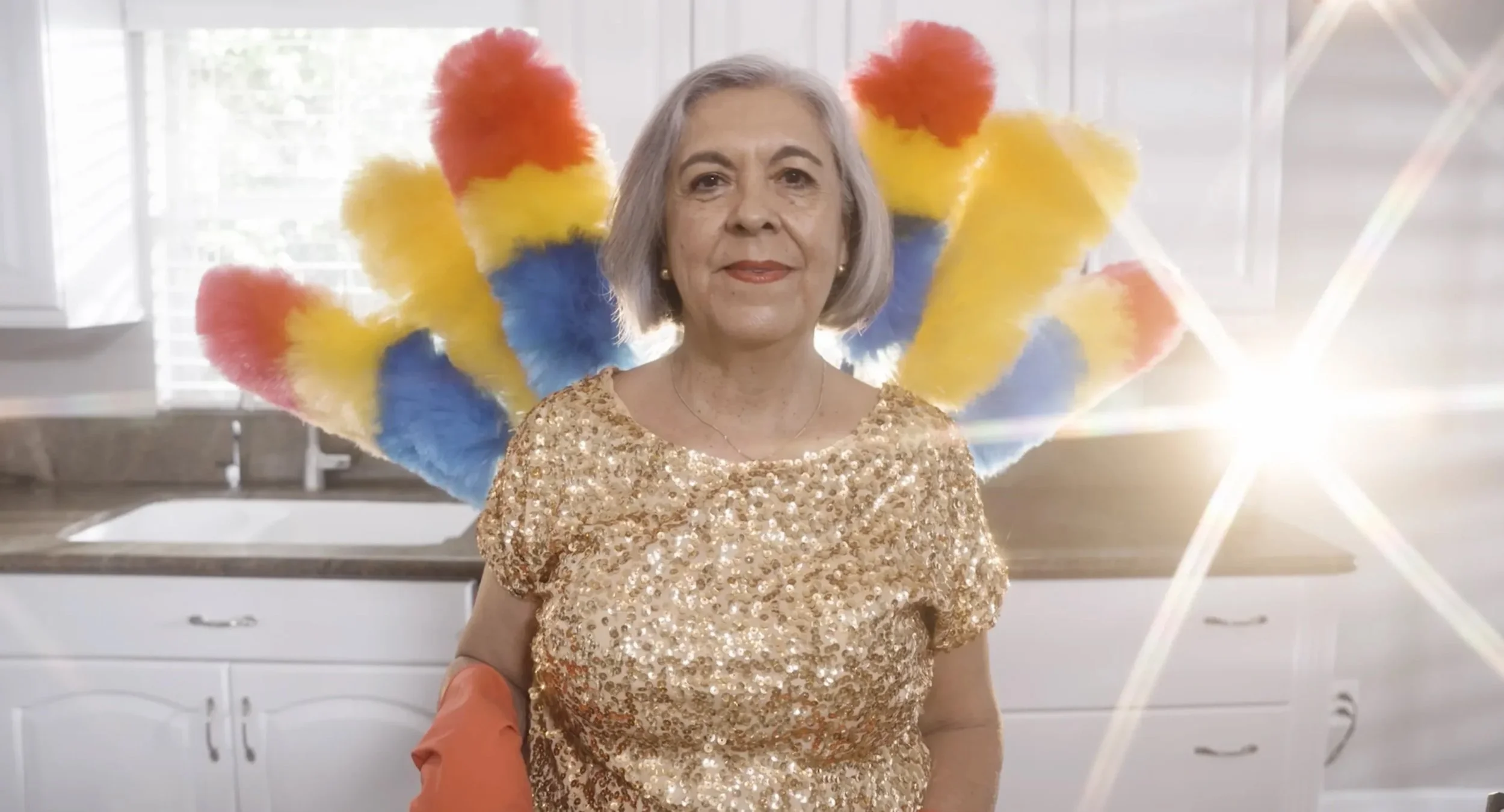
The film follows Beatriz Valencia, a Colombian-born domestic worker in the United States, and her daughter Carolina—the filmmaker herself—as they collaborate to create the fictional character of a writer. Moving fluidly between reality and fantasy, the hybrid documentary draws on their lived experiences and shared imagination to explore immigration, labor, displacement, and the liberating possibilities of storytelling.
In 1998, Beatriz made the painful decision to migrate from Colombia to the United States to provide for her family, leaving her two children behind. Decades later, mother and daughter face the possibility of another separation, as Beatriz prepares to return to Colombia while Carolina considers her own future in this country. Together, they turn to fiction to reimagine their lives and reclaim control over their own narratives, transforming storytelling into an act of healing, agency, and reconciliation.
Structured in ten chapters, How to Clean a House in 10 Easy Steps weaves together fantastical scenarios, docu-fiction, and everyday routines, as Beatriz confronts aging, economic precarity, and the lack of protections afforded to domestic workers.
With humor, tenderness, and formal inventiveness, González Valencia crafts an intimate mother-daughter portrait that challenges conventional representations of immigrant labor and explores the possibilities of artistic creation as a form of resistance. At a particularly fraught moment for immigrant communities in the United States, the film offers a timely and deeply personal reflection on belonging, self-determination, and the transformative power of imagination.