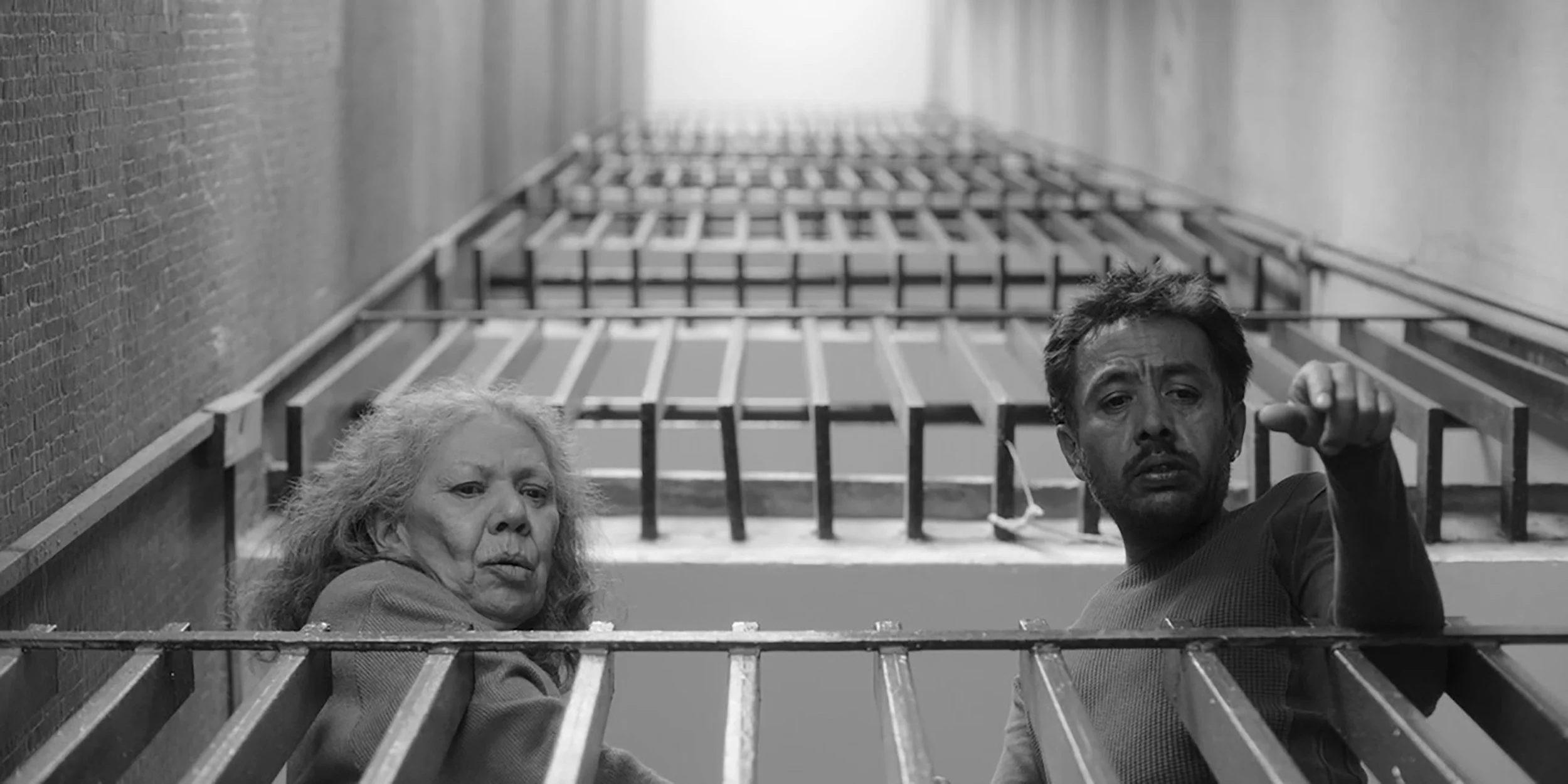
We Shall Not Be Moved (No nos moverán), the acclaimed debut feature by Mexican filmmaker Pierre Saint Martin and Mexico’s official submission for Best International Feature at the 98th Academy Awards, has been named one of the Best International Films of the Year by New York Film Critics Online (NYFCO). The winners of the NYFCO Awards will be announced on December 15.
After a successful theatrical run in New York City, the film opens for a one-week engagement on Friday, December 19 at the Roxie Theater in San Francisco, followed by screenings at the Museum of Fine Arts, Houston on January 16 and 18, 2026.
A powerful and intimate reflection on the lasting wounds of the 1968 Tlatelolco massacre—one of the most significant and tragic events in modern Mexican history—this low-budget independent production has become one of the country’s most celebrated films of the year. With a remarkable 14-week theatrical run, the longest for any Mexican film this year, it has also screened at more than 40 international film festivals worldwide.
We Shall Not Be Moved had its world premiere at the Guadalajara International Film Festival, where it won Best Mexican Film and the Audience Award. It went on to receive four Ariel Awards—Best First Feature, Screenplay, Actress, and Breakthrough Actor—and will also represent Mexico at Spain’s Goya Awards.
Shot in striking black and white, the dark dramedy follows 67-year-old Socorro—portrayed by Luisa Huertas in a tour-de-force performance—a retired lawyer obsessed with finding the soldier responsible for killing her brother during the student protests of October 2, 1968, when university students demanding democracy and justice were brutally repressed by government forces in Mexico City’s Plaza de las Tres Culturas.
Nearly six decades later, her fixation has strained her relationships with her sister, Esperanza, and her son, Jorge. When a new clue emerges, Socorro embarks on a risky plan to avenge her brother’s death—putting her family, her legacy, and her own life in jeopardy.
Inspired by the director’s own mother, We Shall Not Be Moved navigates nostalgia and grief with humor and emotional depth, confronting the lingering injustices of the past. Blending personal and political memory, the film offers a moving meditation on how the wounds of political violence reverberate across generations, mirroring the collective trauma and resilience of a nation still reckoning with its history.