
This year, fifteen Latin American countries are in the running for Best International Feature at the 98th Academy Awards, reaffirming the region’s enduring presence in the race. Argentina, Chile, and Mexico—all previous winners of the category—return once again with new submissions.
Across its history, Latin America has claimed the Academy Award for Best International Film (formerly Best Foreign Language Film) four times: Argentina with The Official Story / La historia oficial by Luis Puenzo in 1986 and The Secret in Their Eyes / El secreto de sus ojos by Juan José Campanella in 2010; Chile with Sebastián Lelio’s A Fantastic Woman / Una mujer fantástica in 2018; and Mexico with Alfonso Cuarón’s Roma in 2019.
The path to the Oscars continues on December 16, when the Academy unveils its shortlist of 15 films, followed by the final nominations on January 22. The winners will be announced during the March 15 telecast.
Here are this year’s Latin American contenders:

ARGENTINA: BELÉN
The abortion courtroom drama Belén, the second feature by actress-director Dolores Fonzi, is representing Argentina at this year’s Oscars. The film, which had its world premiere in the main Golden Shell competition at the San Sebastián Film Festival, is based on a true case.
Set in Tucumán in 2014, it tells the story of a young woman who is admitted to a hospital with severe abdominal pain, unaware that she is pregnant. She wakes up handcuffed to a gurney and surrounded by police. Accused of having self-induced an abortion, she spends two years in detention before being sentenced to eight years in prison for aggravated homicide. A female lawyer from Tucumán fights for her freedom with the support of thousands of women and organizations who unite to change the course of history. In addition to Fonzi, the film stars Camila Plaate—who won the Best Supporting Actress Award at the San Sebastián Film Festival—Laura Paredes, Julieta Cardinali, Luis Machín, and César Troncoso.
Dolores Fonzi’s second feature after Blondi is vying to become the third Argentine film to win the Academy Award for Best International Feature, after Juan José Campanella’s The Secret in Their Eyes and Santiago Mitre’s Argentina, 1985.
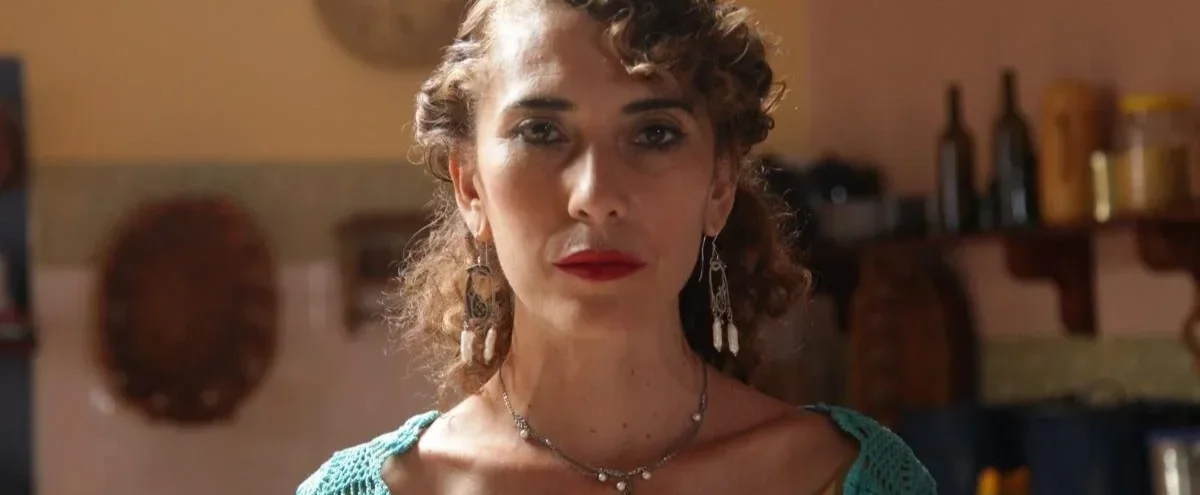
BOLIVIA: THE SOUTHERN HOUSE / LA CASA DEL SUR
Inspired by a real event, The Southern House / La casa del sur by Carina Oroza and Ramiro Fierro centers on Anita, a disoriented and melancholic chef who returns to Bolivia thirty years after she and her mother were held captive on a ranch in Kantutani during the country’s last dictatorship. What begins as a practical trip to sell the house she has inherited soon turns into an emotional reckoning.
Once inside the long-abandoned home, Anita is confronted with echoes of the past she has tried to suppress. The house itself becomes an unsettling guide, offering fragments and traces that help her reconstruct the trauma she endured and illuminating the unresolved questions that continue to shape her life. As she delves deeper into these memories, Anita must decide not only how to move forward, but who she wants to be in the present.
Although Bolivia has submitted eighteen films to the International Feature category since 1995, the country has yet to secure its first nomination.
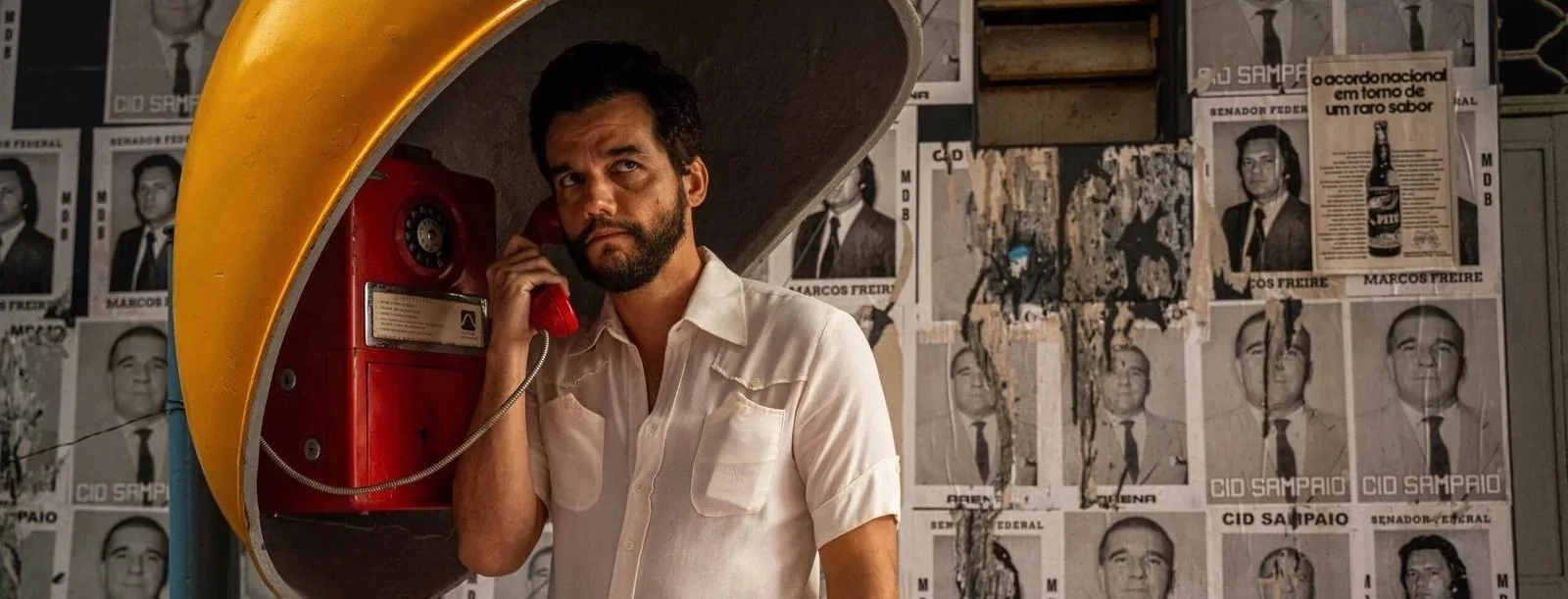
BRAZIL: THE SECRET AGENTE / O AGENTE SECRETO
Starring Wagner Moura, The Secret Agent / O Agente Secreto is a political thriller is set in 1977 during Brazil’s military dictatorship and follows a former teacher who attempts to escape state surveillance while reckoning with the weight of memory and repression. The film had its world premiere in competition at this year’s Cannes Film Festival, where it won Best Director for Mendonça Filho, Best Actor for Moura, the FIPRESCI Prize, and the Art House Cinema Award.
The selection comes on the heels of a historic year for Brazilian cinema: the country won the Oscar for Best International Feature Film last year with Walter Salles’ I’m Still Here / Ainda Estou Aqui, starring Academy Award–nominated actress Fernanda Torres, marking its first-ever victory in the category. Mendonça Filho’s candidacy extends Brazil’s momentum on the world stage and reinforces his reputation as one of the nation’s most vital contemporary voices, following celebrated works such as Aquarius, Bacurau (co-directed with Juliano Dornelles), and Pictures of Ghosts.
Including last year’s win, Brazil has been nominated five times for Best International Film. This is the third time Mendonça Filho represents the South American country at the Oscars, following Neighboring Sounds in 2013 and Pictures of Ghosts in 2023.

CHILE: THE MYSTERIOUS GAZE OF THE FLAMINGO / LA MISTERIOSA MIRADA DEL FLAMENCO
Winner of the Un Certain Regard Grand Prix at the Cannes Film Festival, The Mysterious Gaze of the Flamingo /La misteriosa mirada del flamenco, the debut feature by Diego Céspedes is set in 1982. It follows 11-year-old Lidia, who lives with her beloved queer family in a desert mining town in northern Chile. As an unknown and deadly disease begins to spread, legend has it that it is transmitted between two men through a simple glance when they fall in love. While people accuse her family, Lidia must find out whether this myth is real or not.
The Mysterious Gaze of the Flamingo is having a North American theatrical release by the hand of Altered Innocence, opening at the Roxy Theater in New York City starting Friday, December 12.

COLOMBIA: A POET / UN POETA
A Poet had its world premiere in the Un Certain Regard competition at the Cannes Film Festival last May, where it won the Jury Prize, and it has since become the top-grossing Colombian film of the year after its local release in August. The film has secured distribution in North America by 1-2 Special.
Starring Ubeimar Rios, A Poet tells the story of Óscar Restrepo, whose obsession with poetry has brought him no glory. Aging and erratic, he has become the cliché of the poet in the shadows. Meeting a humble teenager and helping her cultivate her talent brings a flicker of light to his days, but drawing her into the world of poets may not be the right path. Colombia earned its first and only Oscar nomination in 2015 with Ciro Guerra’s Embrace of the Serpent / El abrazo de la serpiente, and was shortlisted in 2018 with Birds of Passage / Pájaros de verano, directed by Guerra in collaboration with Cristina Gallego.

COSTA RICA: THE ALTAR BOY, THE PRIEST AND THE GARDENER / EL MONAGUILLO, EL CURA Y EL JARDINERO
Juan Manuel Fernández’s The Altar Boy, the Priest and the Gardener / El monaguillo, el cura y el jardinero is vying for Best International Film representing Costa Rica, and is also competing for Best Documentary.
The film follows the testimonies and search for justice of two men who were sexually abused as children by the priest Mauricio Víquez Lizano. Their testimony sparks an unprecedented scandal in Costa Rica, forcing the priest to flee and turning him into a fugitive wanted by the law and Interpol.
The Altar Boy, the Priest and the Gardener world premiered at the Costa Rica International Film Festival and becomes Costa Rica’s 14th submission to the Academy Awards—though the country is still awaiting its first nomination.
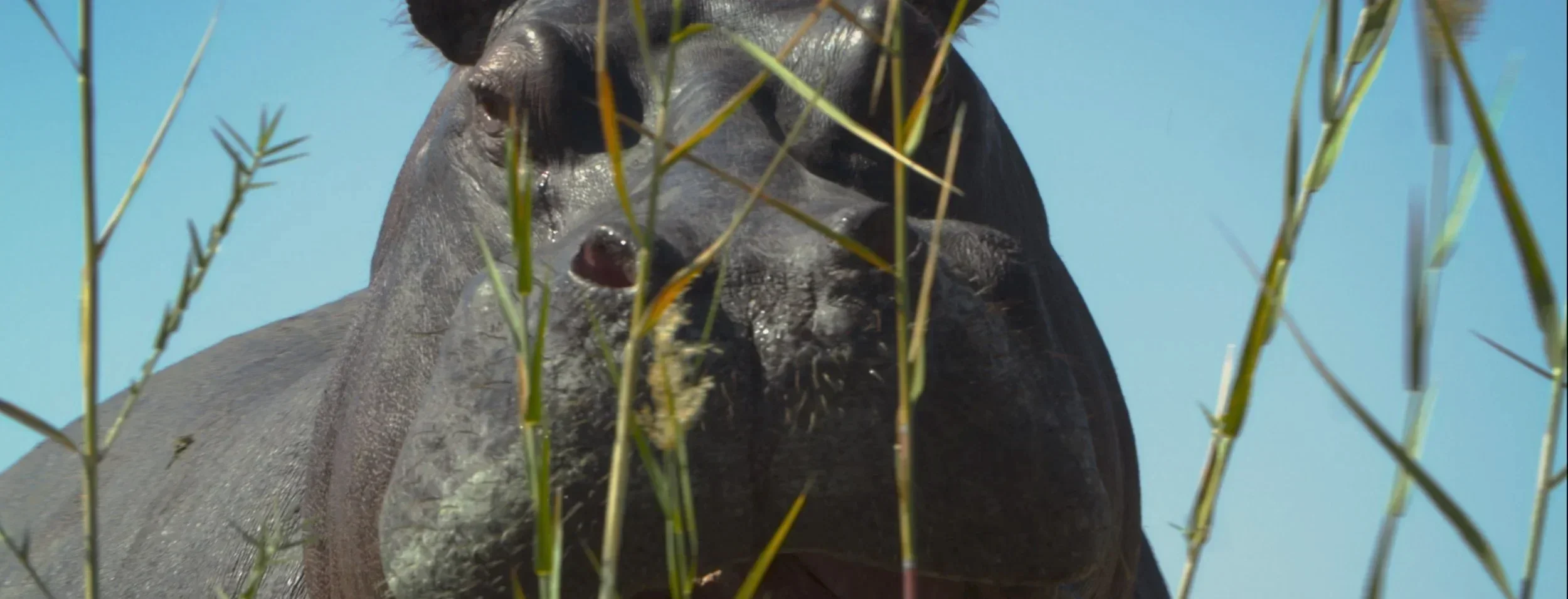
DOMINICAN REPUBLIC: PEPE
Winner of the Silver Bear for Best Director at the most recent Berlin Film Festival—marking the first time a Latin American filmmaker has received the honor—Pepe by Nelson Carlo de los Santos Arias takes a fascinating, highly unorthodox approach to the strange but true tale of the hippopotamuses that escaped from the menagerie of Colombian drug lord Pablo Escobar after his death in 1993. Left to fend for themselves, these animals reproduced and became the target of government sterilizers and poachers.
The story unfolds from the perspective of a sentient hippo, Pepe, at the moment of its death. We hear the animal’s thoughts, voiced by a raspy narrator, as the film skips across time and continents, from Pepe’s native Namibia to Colombia’s Río Magdalena. Blurring nonfiction and fantasy, the film shuffles storytelling modes and cinematic textures. In its sympathetic inquiry and aesthetic muscularity, Pepe poses provocative questions about the ever-shifting ecological stakes of life on Earth and the nature of being.
This is the second time de los Santos Arias represents his country at the Oscars, after his 2018 feature Cocote was selected. Since it began submitting films in 1983, the Caribbean nation has yet to receive a nomination.
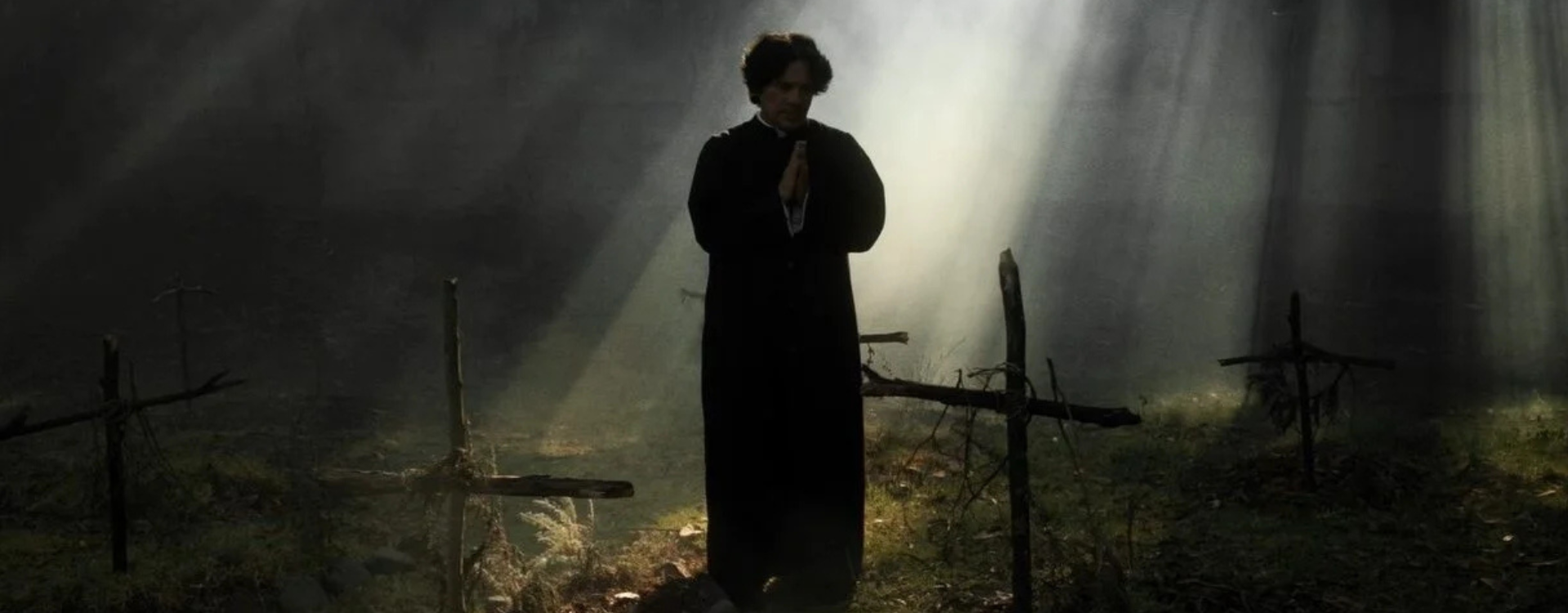
ECUADOR: CHUZALONGO
Chuzalongo, the folk horror film directed by Diego Ortuño, has been selected as the Ecuatorian entry for this year's Academy Award International Best Film race. Based on the traditional Andean legend "El Chuzalongo", which is represented as a child-elf who sexually assaults women.
Set in a remote Andean town at the end of the 19th century, the film follows the arrival of a lost child to the community. The village priest decides to take care of him but discovers that the only way to keep the child alive is to feed him with human blood.
Starring Bruno Odar, Wolframio Sinué, and Aléx Cisneros, Chuzalongo had its World Premiere at the 20th Fantaspoa (Porto Alegre International Fantastic Film Festival) and marks the 13th Oscar submission for the South American nation.

HAITI: KIDNAPPING, INC.
Kidnapping, Inc., the debut feature by Bruno Mourral, is an action-packed and darkly comic crime adventure that had its world premiere at the Sundance Film Festival in January of this year.
Set in Port‑au‑Prince, the film follows a group of kidnappers who seize the son of a wealthy presidential candidate. Doc and Zoe, two amateur gangsters charged with delivering the young man to their ruthless boss, find themselves in deeper trouble when Zoe accidentally kills the hostage. Panicked, the pair cross paths with Patrick and his very pregnant wife Laura—only to realize that Patrick looks exactly like the senator’s dead son. In desperation, Doc and Zoe abduct the couple and devise a plan to pass Patrick off as the kidnapped heir.
Kidnapping, Inc. marks only the third time the Caribbean nation has submitted a film to the Academy Awards.
MEXICO: WE SHALL NOT BE MOVED / NO NOS MOVERÁN
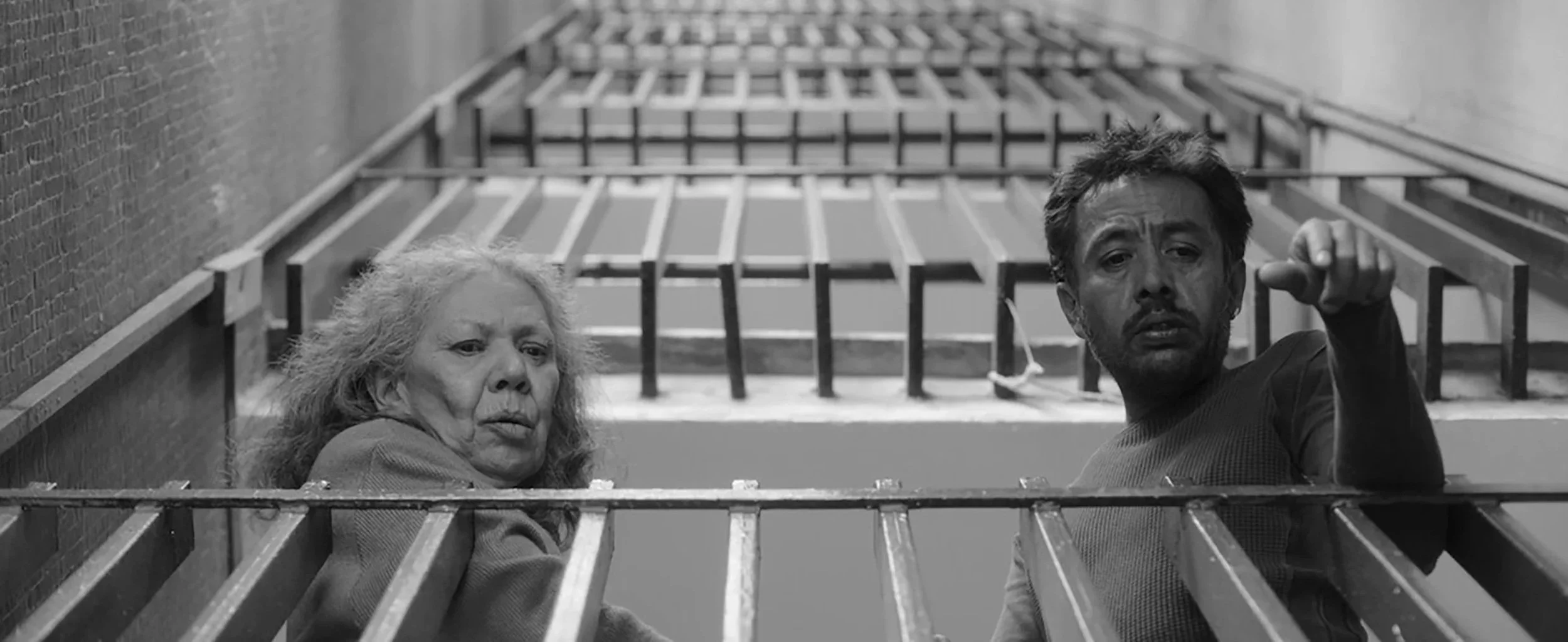
Winner of four Ariel Awards, for Best First Feature, Original Screenplay, Actress, and Breakthrough Performance, We Shall Not Be Moved tells the story of Socorro—played by Luisa Huertas in a tour-de-force performance—a retired lawyer consumed by her obsession to find the soldier who killed her brother during the student protests of October 2, 1968, when demands for democracy and justice were brutally silenced in Mexico City’s Tlatelolco Square.
Nearly six decades later, her relentless pursuit has fractured her relationships with her sister, Esperanza, and her son, Jorge. When a new clue emerges, Socorro sets out on a perilous quest for vengeance, putting her family, her legacy, and her own life in jeopardy. Shot in striking black and white, director Pierre Saint Martin delivers a powerful and intimate reflection on the enduring wounds of Mexico’s modern history.

PANAMA: BELOVED TROPIC / QUERIDO TRÓPICO
Querido Trópico (Beloved Tropic) by Ana Endara stars Chilean actress Paulina García (Gloria) and Colombian actress Jenny Navarrete (The Other Son), and is set in Panama City. This tender, atmospheric drama explores the evolving relationship between two lonely souls who form an unexpected bond. Ana María, a Colombian immigrant working as a home caregiver while harboring a secret, crosses paths with Mercedes, a high-society woman grappling with encroaching dementia that is slowly erasing her identity and past. As they navigate the challenges of caregiving and the search for human connection, they learn to care for one another amid their personal struggles. Like the unpredictable Panamanian weather, this luminous drama shimmers with tropical textures and moments of quiet revelation.
The film had its world premiere at the Toronto International Film Festival and has since screened at festivals worldwide. While Panama has yet to secure an Oscar nomination, it came close in 2021 when Abner Benaim’s Plaza Catedral reached the shortlist.

PARAGUAY: UNDER THE FLAGS, THE SUN / BAJO LAS BANDERAS, EL SOL
The Paraguayan Film Academy has announced that filmmaker Juanjo Pereira will represent the country with his debut documentary feature Under the Flags, the Sun / Bajo las banderas, el sol. The film had its world premiere at the 75th Berlin International Film Festival earlier this year, in the Panorama section, where it won the FIPRESCI jury prize.
A fully archival journey through the 35 years of Alfredo Stroessner’s dictatorship, Under the Flags, the Sun uncovers long-forgotten propaganda films, newsreels, and broadcasts to expose the machinery of control that shaped Paraguay’s national identity and upheld the cult of Stroessner. This cinematic excavation reveals how media manipulated memory, fueled Cold War alliances, and sustained oppression—traces of a past whose influence still lingers today.
Pereira's film marks Paraguay’s ninth Oscar submission, though the country has yet to secure a nomination. Previous entries, such as The Heiresses / Las herederas (2018) by Marcelo Martinessi, have garnered international acclaim, highlighting Paraguay's growing presence in global cinema.
PERU: KINRA / MOTHERLAND
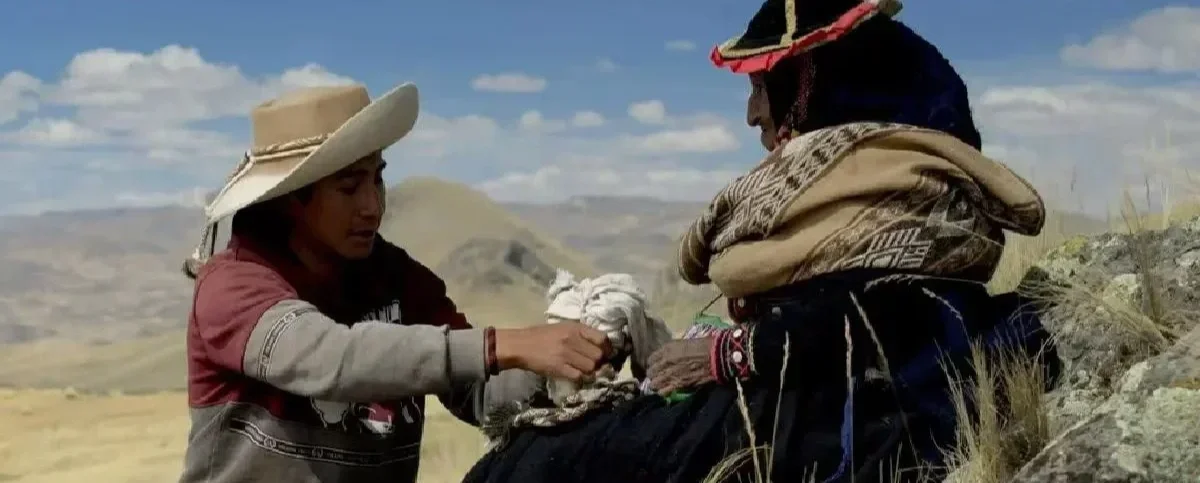
Winner of the Golden Astor for Best Film at the 2023 Mar del Plata International Film Festival, where it had its world premiere, the Quechuan drama Kinra (Motherland)—the debut feature by Marco Panatonic—was also a six-time winner at the 28th Lima Film Festival, including Best First Film.
Told in Quechua and Spanish, Kinra follows a young man’s internal struggle between his Andean roots and the pull of urban life as he pursues engineering studies in Cusco. Although he finds friends who welcome him along his journey, he cannot forget his family or the land where he grew up. Returning is the only path he sees, even if it means beginning again, for his heart remains divided—just like his country.
This marks the 32nd Oscar submission for Peru, though the country has only secured one nomination in its history: Claudia Llosa’s The Milk of Sorrow / La Teta Asustada in 2009.

URUGUAY: DON’T YOU LET ME GO / AGARRAME FUERTE
Don’t You Let Me Go / Agarrame fuerte, the latest feature film from the celebrated Uruguayan directorial duo Ana Guevara and Leticia Jorge (So Much Water) had its world premiere in the International Narrative Competition at theTribeca Festival, where it won the Nora Ephron Award.
The film follows Adela, 39, who is confronted with the sudden loss of her best friend, Elena. At Elena's funeral, Adela feels detached from the rituals, sensing the absurdity of bidding farewell to someone so dear. Overwhelmed by grief and the looming void in her future, Adela becomes an unexpected time traveler.
Transported to a decade earlier, Adela reunites with a vibrant Elena at a beach house, joined by their friend Luci and her baby boy Paco. Amidst the backdrop of laughter, music, and shared memories, the trio embarks on a weekend filled with joy and nostalgia. But as the inevitable goodbye approaches, Adela clings to the fleeting moments and the newfound sense of companionship.
What begins as a weekend of laughter, music, and shared memories turns into an extraordinary journey when baby Paco discovers a gateway that allows them to extend their time together. Amidst this timeless interlude, Adela finds solace, renewed connection, and a profound understanding of friendship and love.

VENEZUELA: ALÍ PRIMERA
The biopic film Alí Primera, directed by Daniel Yegrez, retraces the life of the Venezuelan singer-songwriter, poet, and political activist whose work made him the most committed voice of his people and a central figure in the movement for the “necessary song.” Starring Eduardo González as Alí Primera, the film revisits the historical moments that earned him the moniker “the people’s singer” and positioned him at the forefront of the country’s largest artistic movement advocating for the dispossessed. It is a portrait of his loves and his pains, of the songs shaped by his unyielding convictions, following him from his childhood in the desert landscapes of western Venezuela to his tragic end.
Venezuela has yet to earn an Oscar nomination; the country came closest in 2014, when Alberto Arvelo’s epic The Liberator / Libertador advanced to the shortlist for Best International Feature.