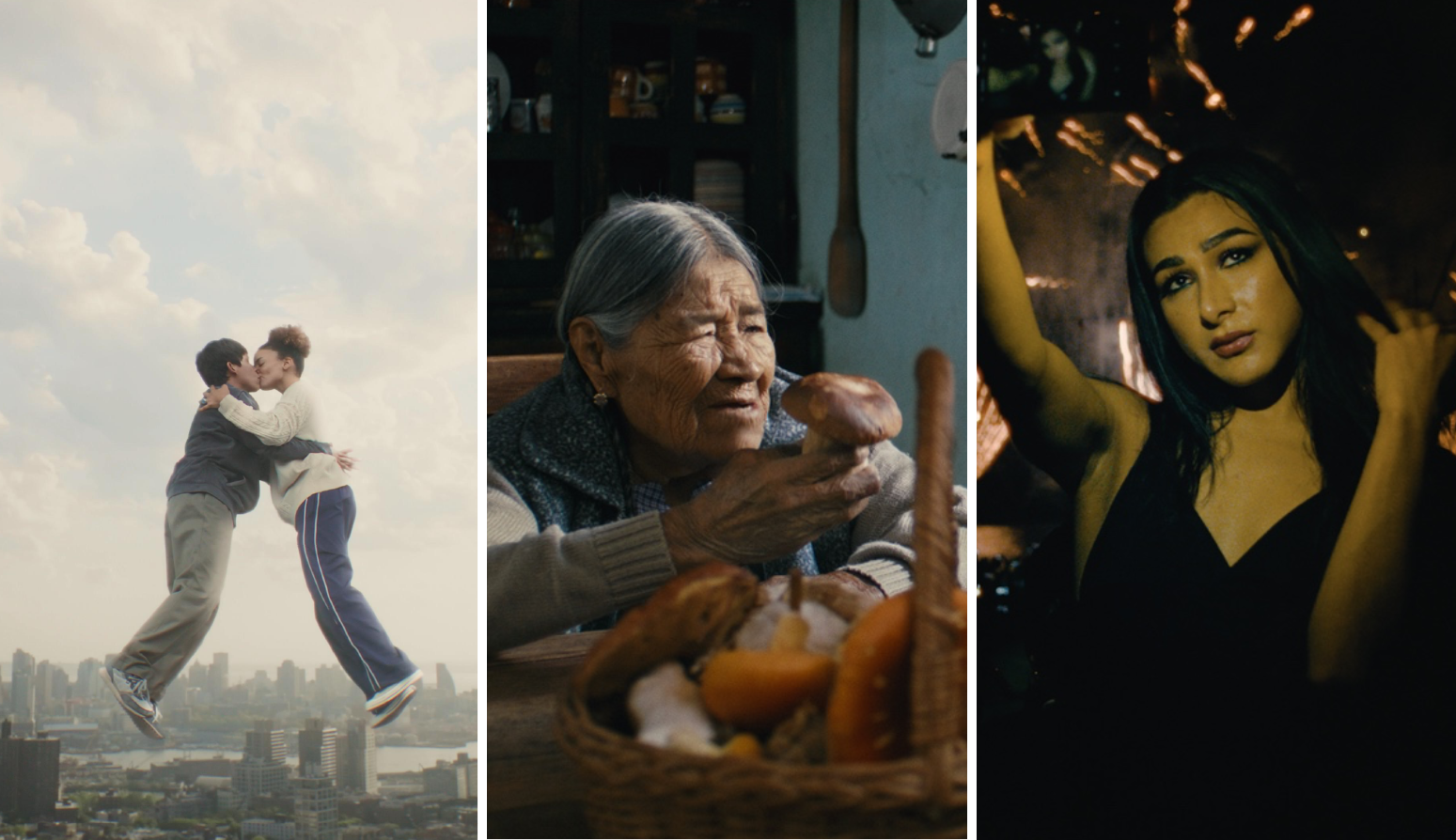
(From left to right): Images from Campeón Gabacho by Jonás Cuarón, Daughters of the Forest by Otilia Portillo Padua, and Mickey by Dano García
Three Mexican feature films were among the Audience Award winners at the 33rd edition of the SXSW Film Festival, which took place March 12–18, 2026, in Austin, Texas—underscoring the strong resonance of Mexican cinema with U.S. audiences and reaffirming its continued vitality on the international festival circuit.
Campeón Gabacho, the latest feature by Jonás Cuarón (Desierto), won the Audience Award in the Narrative Spotlight section. Boasting an impressive ensemble cast—including Juan Daniel García Treviño, Leslie Grace, Rubén Blades, Eddie Marsan, Rosario Dawson, and Cheech Marin—the film follows Liborio, an endearing and mischievous young migrant whose only talent is taking punches. Crossing the Rio Grande to escape a harsh reality in Mexico, he searches for a better life in the United States, eventually settling in a Latino barrio in New York City. Through his fists, his love, and his words, Liborio confronts cultural barriers and prejudice that threaten his future, ultimately emerging as an unlikely hero in an unfamiliar land.
Also recognized was Daughters of the Forest (Hijas del bosque) by Otilia Portillo Padua, which received the Audience Award in the Vision section following its North American premiere. Blending science fiction and documentary elements, the film follows two Indigenous mycologists in Mexico who imagine possible futures through ancestral knowledge, offering a visionary and politically resonant cinematic experience. By foregrounding women who bridge scientific training and ancestral wisdom, and through its lush visual language, Daughters of the Forest counters narratives of extraction with those of community, process, and care—suggesting that the future remains unwritten and dependent on our capacity for imagination and interdependence.
Rounding out the trio is Mickey, the formally daring documentary by Dano García, which had its world premiere at SXSW and received the Audience Award in the Global section. The film—an intimate exploration of identity, memory, and performance through the life and artistic practice of trans artist Mis$ Mickey—connected deeply with festivalgoers, earning one of the festival’s top audience honors in the documentary field. With Mickey, García delivers a formally adventurous and emotionally intimate work shaped by sustained collaboration. Challenging cinematic conventions while expanding the language of trans representation, the film positions trans cinema as both aesthetic innovation and political transformation.